
Bako National Park: The Complete Guide (2026)
If you're spending any time in Kuching and you don't make the trip to Bako, you're genuinely missing out. Sarawak's oldest national park sits about 40 kilometres from the city, and getting there is half the adventure — you bus to the jetty, then hop a boat across the bay to a park that feels completely cut off from the rest of the world. Sea stacks jutting out of the South China Sea, tufted beaches, seven types of vegetation, and wild proboscis monkeys waddling around near the accommodation blocks like they own the place. Because they do.
This guide covers the full picture — how to get there, where to sleep, which trails are worth your legs, and what else to do in the surrounding Kuching area. I've also linked out to my full reviews and hike guides for every spot below, so you can go as deep as you need on any one of them. Whether you're here for a day trip or a multi-night stay with some serious trail time, Bako rewards you every single time.
One thing to know upfront: this is a boat-in park. There are no roads in. That alone filters out the casual crowd, and the park is better for it.
Getting There
From Kuching, you've got two legs to sort out — road to the jetty, then boat into the park.
Bus: Public bus from Kuching to Bako Market (Bako Village) takes 45–60 minutes and costs MYR 3.50 each way. Buses run roughly every hour from about 7:00am from Kuching, with the last return from Bako around 6:00pm. Cheap and totally doable.
Taxi / Grab: A taxi from Kuching will run you around RM 60, or RM 40 by Grab. Faster and easier if you've got early morning plans or heavy packs.
Boat from Bako Jetty: This is where the real trip starts. The boat ride into the park takes about 30 minutes. Return boat fees are RM 40 per person for foreigners, RM 30 for Malaysians. You can also charter a boat for RM 200–250 return, depending on boat size — worth it if you're a bigger group going early. There's a booking office at the jetty (tel: 082-439631) where you pay your park entry fee and sort the boat. Bring cash — no ATMs, no card facilities at the jetty or inside the park.
Note: During the wet season (November to February), rough sea conditions mean only 4 passengers per boat. Plan accordingly.
Camping & Stays
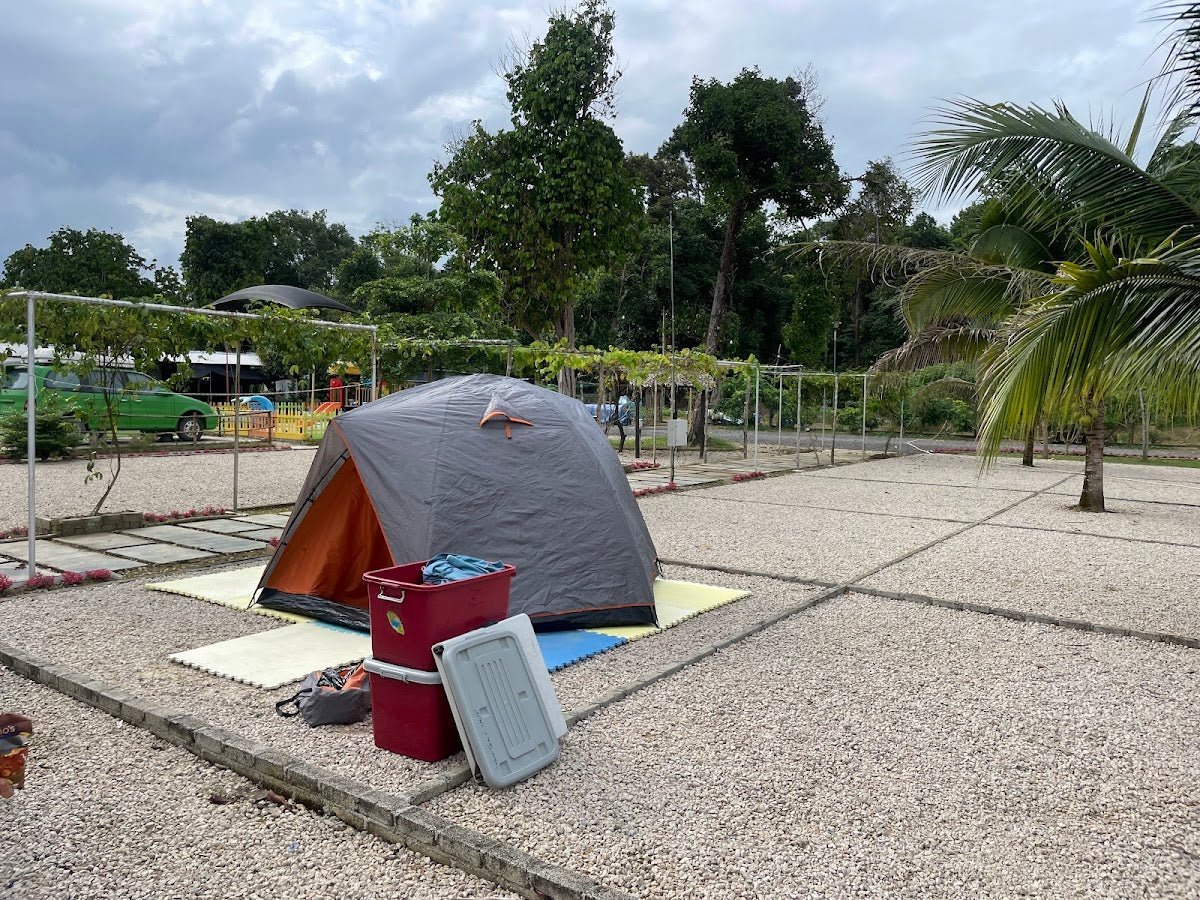
Bako has accommodation inside the park itself — the only way to catch the proboscis monkeys at dawn and dusk properly. Around Kuching there's also a solid spread of campsites, retreats and eco-stays if you want to base yourself on the mainland and do day trips or explore the wider area.
- Bako National Park — the main stay inside the park, book ahead through Sarawak Forestry or you won't get a spot
- Fairy Caves Bau, Sarawak — quirky base near Kuching's famous limestone caves, good for a night or two
- Sunrise View Village Stay, Kampung Sapit — a genuine kampung experience with actual morning views to match the name
- Que River Retreat, Kuching — peaceful riverside setting, good for unwinding after trail days
- Damai Escape Park, Santubong — solid family-friendly option near Santubong Peninsula
- Sumiran Eco Park & Resort, Kuching — eco-leaning resort with nature around you, works well as a Kuching base
- Redbee Camp, Kuching — budget camp vibes, simple and close to the city
- Kampung Pesang River Lodge — riverside lodge with real kampung character, one of the more atmospheric options near Kuching
Hikes & Trails
Bako itself has 16 colour-coded jungle trails ranging from short 20-minute walks near the park HQ to full-day slogs through kerangas heath forest and out to remote beaches. Difficulty varies — some are flat coastal paths, others involve steep ridges and scrambling. Pick based on your fitness and how much time you have. Beyond Bako, the Kuching area has some seriously good hill hiking that most visitors skip entirely.
- Gunung Serapi — the highest peak in Kubah National Park, solid climb with good forest cover all the way up
- Bukit Sikai — shorter and accessible, good option if you want views without committing a full day
- Gunung Santubong — the big one near Damai, proper challenging climb with sweeping coastal views at the top
Campsite intel, weekend spot ideas, and family camping tips — straight from campers who just got back. Ask before you book.
💬 Join the Camping CommunityFree, one click. No spam — the occasional promo at most.
Other Things to Do
Inside Bako, the proboscis monkeys are the headline act and honestly worth the trip on their own. An estimated 275 proboscis monkeys live in the park — the best concentration of wild ones anywhere in the world. Spot them early morning or late afternoon around the park HQ and accommodation blocks at Telok Assam, or along the Telok Paku and Telok Delima trails. Sit still, be patient, and you'll be rewarded.
The sea stacks and coastal rock formations are a close second. Millions of years of erosion have carved cliffs, arches, and dramatic sandstone pillars along the shoreline — it's genuinely unlike anywhere else in Malaysia. The famous Cobra Head Sea Stack collapsed in 2024, which is a shame, but the coastline still delivers. Bring a camera.
Wildlife beyond the proboscis monkeys includes bearded pigs, silver leaf monkeys, long-tailed macaques, monitor lizards, and if you're lucky, the bizarre-looking horseshoe crab. Night walks from the park HQ are worth doing — the forest at night is a different world entirely.
Guides are available at the Bako jetty before you board the boat. Day trippers on marked trails don't need to hire one, but if you want to maximise wildlife sightings, a guide makes a real difference. Group rates are around RM 10 per person, private tours around RM 20 per person. You can also book Bako day tours through operators in Kuching if you'd rather not figure out the bus and boat logistics yourself.
Know Before You Go
Entry fees: RM 20 for non-Malaysian adults, RM 10 for Malaysians. You'll need your passport or IC — foreigners need to give their passport number when paying, so keep a copy or a photo of your passport details on your phone. You'll get a wristband at registration; wear it at all times in the park.
Accommodation booking: You must book your accommodation in advance through the Sarawak Forestry website. Don't turn up hoping to wing it, especially on weekends and school holidays — it will not go your way.
Cash only: No ATMs, no card facilities inside the park or at the jetty. Bring enough cash to cover entry, boat, accommodation, food, and guide fees before you leave Kuching. This is not a maybe — it's a must.
Best time to visit: The dry season roughly April to October gives calmer seas and easier boat rides. November to February is the wet season — seas get rough, boats are limited to 4 passengers, and some trails can be slippery. That said, wildlife is active year-round and the park still operates during the wet season.
Signal and connectivity: Expect minimal to no mobile signal inside the park. Download your maps and trail info before you board the boat.
Food: There's a canteen at the park HQ with basic meals. Don't expect menu variety. Bring snacks, especially if you're doing full-day trails. Hydration is serious business in the jungle heat.
Conditions, fees and permit requirements change — always check with the local authority before you travel.
FAQ
Do I need to book in advance to visit Bako National Park?
For day trips, booking ahead is not strictly required, but you should still get there early — boat numbers are capped, especially during the wet season. If you're staying overnight, you must book accommodation in advance through the Sarawak Forestry website. Don't leave this to the last minute.
How do I get to Bako National Park from Kuching?
Take the public bus from Kuching to Bako Village — about 45 to 60 minutes, MYR 3.50 each way. From the jetty, take a boat into the park (roughly 30 minutes, RM 40 per person for foreigners). You can also grab a Grab or taxi to the jetty if you want a faster start. Buses run hourly from around 7:00am.
Can I see proboscis monkeys at Bako?
Almost certainly yes. Bako has an estimated 275 proboscis monkeys, making it the best place in the world to see them in the wild. Best times are early morning and late afternoon around the park HQ at Telok Assam, or along Telok Paku and Telok Delima. Staying overnight dramatically improves your chances of catching them at their most active.
Is Bako National Park suitable for beginners?
Yes, with some caveats. There are short, easy trails close to park HQ that anyone can handle. The longer full-day trails into the interior are more demanding and require reasonable fitness and solid footwear. Heat and humidity are factors regardless of which trail you pick — start early, bring plenty of water, and don't underestimate the jungle.
Campsite intel, weekend spot ideas, and family camping tips — straight from campers who just got back. Ask before you book.
💬 Join the Camping CommunityFree, one click. No spam — the occasional promo at most.
Mike has been camping across Malaysia for over 10 years — from jungle treks in Taman Negara to beach camps in Perhentian. He writes about it so you don't have to find out the hard way. Follow along on TAHAN Outdoor's blog for honest campsite reviews, every week.