
Tasik Chini: The Complete Guide (2026)
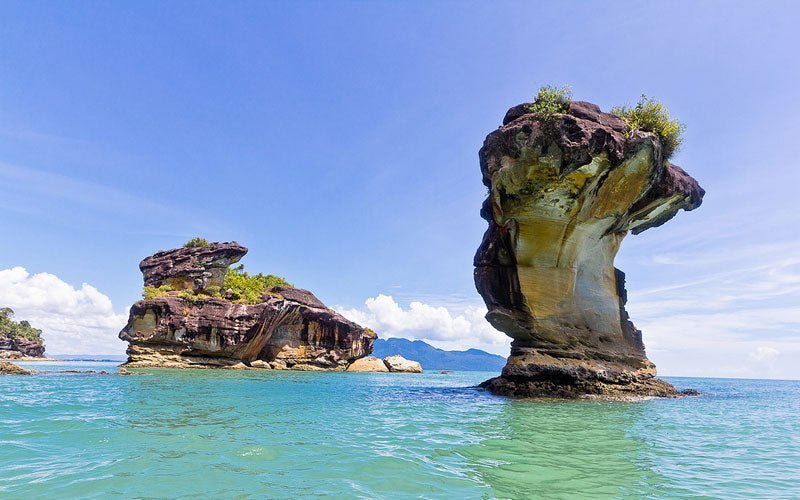
Tasik Chini is Malaysia's second-largest natural lake — a UNESCO Biosphere Reserve made up of 12 interconnected water bodies that the locals call "Laut" (sea). It sits deep in Pahang, about 300km from KL, and it rewards the kind of traveller who doesn't need Instagram perfection to have a good time. The Jakun Orang Asli still live here. The jungle is proper jungle. And yes, the lotus blooms are real — just more complicated than the brochures suggest.
This place gets far fewer visitors than it deserves, partly because the main resort has been closed and people assume the whole lake is shut. It's not. Eco-tourism operators and the UKM Tasik Chini Research Centre are very much active, and the experience you get here — boat through a biosphere reserve, visit an Orang Asli village, wake up to hornbills — is genuinely hard to find anywhere else in Peninsular Malaysia.
This guide covers everything: how to get there, where to stay, what to do, and the honest truth about the lotus situation before you plan your trip around it. It suits outdoorsy couples, families comfortable with rustic conditions, and anyone who wants a lake trip that feels nothing like Port Dickson.
Getting There
From KL, you're looking at roughly 300km via the LPT highway — about 3 hours on a good day. Take the Srijaya exit and follow signboards for "Pengkalan Bot Tasik Chini". The road into the area is a village road, about 27km from the Kg. Belimbing boat jetty to the lake, but it's fine — no reports of issues and regular vehicles handle it without drama.
From Kuantan it's easier — about 100km, roughly 1 hour 20 minutes, and toll is somewhere in the RM3–5 range. Kuantan is your best base if you're flying in; grab supplies there before heading out because options near the lake are limited.
If you want to arrive by water (and honestly, why wouldn't you), there's a boat from the Sungai Pahang jetty at Kg. Belimbing. One boat fits up to 6 people and costs around RM130. It's a proper jungle river approach — sets the mood immediately.
Drive yourself if you can. Public transport options are very limited out here. Check with your accommodation operator in advance — some can arrange transfers or will advise on the current best entry point.
Camping & Stays
Accommodation options at Tasik Chini are lean but improving. The main resort is closed, but don't let that put you off — the Research Centre, Orang Asli-run guesthouses, and proper campsites fill the gap. Book early, especially for weekends; the UKM Research Centre reportedly fills up most weekends.
- Kuala Chini Supercamp — our full review of the best camping option at Tasik Chini, including what's actually on the ground
Other options worth checking directly: Kijang Mas Gumum Chalet, Rajan Jones Guest House, and Wira Gumum Resorts are all Orang Asli-run accommodations in the Kampung Gumum area. The UKM Tasik Chini Research Centre (PPTC) also offers accommodation, camping, kayaking and guided packages — contact them at 09-456 0105 or pptc@ukm.edu.my, Monday to Friday, 8am–5pm.
Hikes & Trails
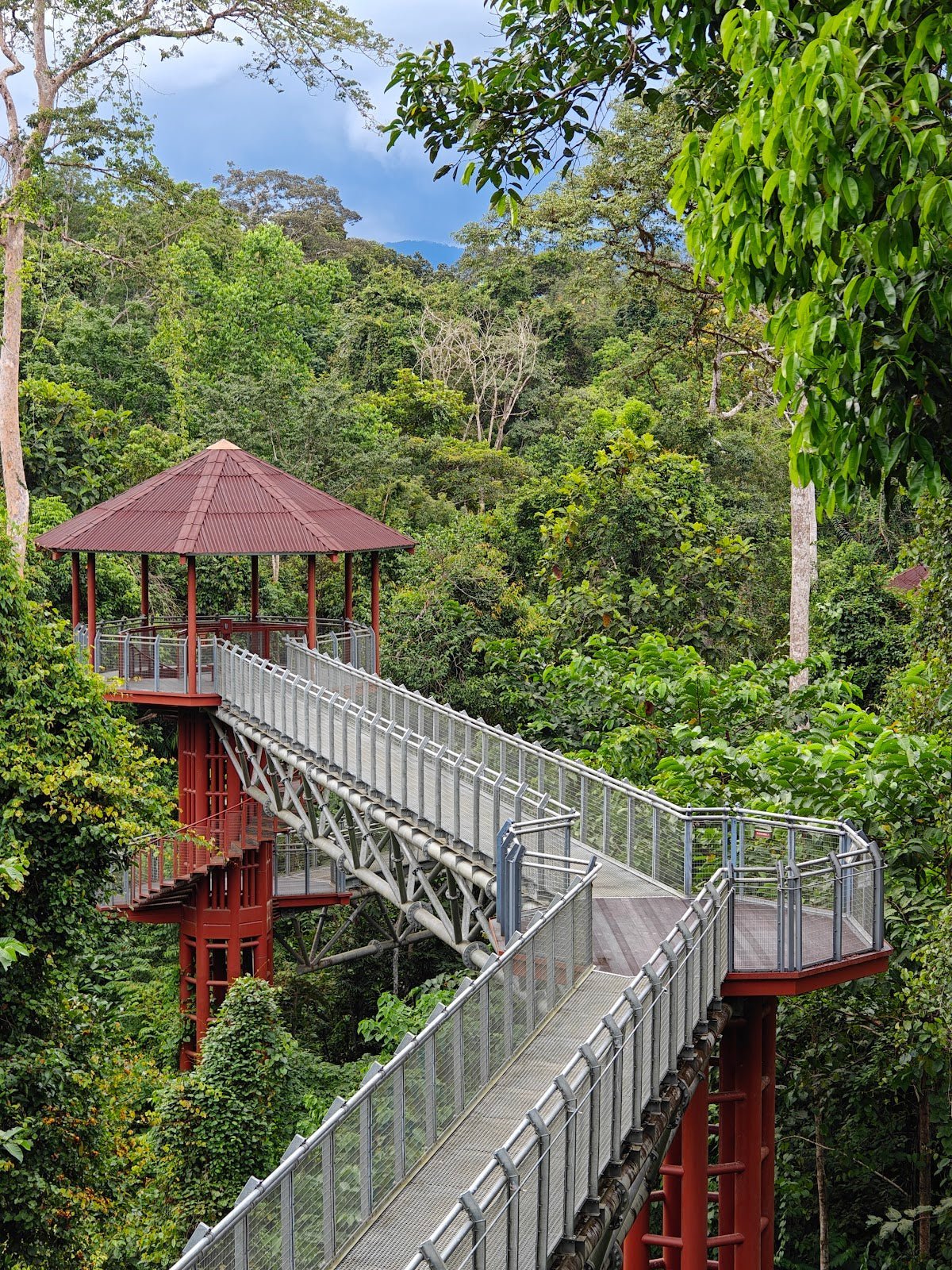
Bukit Chini is the main summit hike in the area — a jungle trail that rewards you with elevated views over the lake. It's not a technical climb, but you'll want proper footwear and to go with a guide or someone who knows the trail. Enquire with your accommodation operator or the UKM Research Centre about current trail conditions before heading up.
There's also a 4x4 trip available to Terapai Waterfall if you want to go deeper into the surrounding forest — ask your operator about arranging this.
Campsite intel, weekend spot ideas, and family camping tips — straight from campers who just got back. Ask before you book.
💬 Join the Camping CommunityFree, one click. No spam — the occasional promo at most.
Waterfalls & Swimming
Terapai Waterfall is accessible via a 4x4 trip from the lake area. It's not a walk-in waterfall — you'll need to arrange the 4x4 and ideally a guide through one of the eco-tourism operators or your campsite. Worth it if you're spending a few days here and want to go beyond the lake itself.
Other Things to Do
The boat tour is the centrepiece activity and it genuinely delivers. Guided tours take you through the biosphere reserve visiting spots like Tanjung Jerangking, Sungai Chini, and Pulau Berhala — proper wilderness waterways with the kind of birdlife and river scenery that reminds you why this place has UNESCO status. Operators on site run these; the UKM Research Centre also packages lake, Orang Asli, and forest exploration together.
Kampung Gumum is a must-visit. It's one of the largest Jakun settlements in the area and the community still lives close to traditional ways. Woodcarvings and blowpipes are available, and boat trips to Orang Asli settlements can be arranged through operators. Go respectfully, go with a guide, and don't treat it like a zoo — it's people's home.
Beyond boats and villages: kayaking, fishing, birdwatching, photography, ATV, and archery are all available depending on your operator. The lake holds 144 species of freshwater fish so anglers won't be disappointed. The surrounding forest has 300 species of non-aquatic vertebrates — birdwatchers, bring your binocs.
Know Before You Go
The main Tasik Chini Resort is closed — don't show up expecting to walk in. Areas marked "DILARANG MASUK" are genuinely off-limits and the entrance is guarded. The good news is that tourism activities continue through eco-operators and the UKM Research Centre. Book through them and you won't have access issues.
Entry fees vary by operator and aren't published in a single place — confirm costs when you book. The UKM Research Centre is your most reliable point of contact for packages, camping, and boat tours: 09-456 0105 or pptc@ukm.edu.my.
About the lotus: be honest with yourself about expectations. August to September was traditionally peak bloom season, and yes, pink lotus has been sighted again in recent years as water quality improves thanks to conservation work and the 2021 royal decree that stopped mining nearby. But the blooms are nowhere near what they were 30 years ago. Silting and decades of mine runoff did real damage. Recovery is happening — slowly. If lotus is your whole reason for coming, you might be disappointed. If lotus is a bonus on top of everything else Tasik Chini offers, you're in good shape.
Best time to visit overall is July to September — better weather, highest chance of seeing lotus, and wildlife activity is good. Signal out here can be patchy; let people know your plans before you go. Food options near the lake are limited — stock up in Kuantan or wherever you're coming from. Some operators and chalets may provide meals; confirm when booking.
Conditions, fees and permit requirements change — always check with the local authority before you travel.
FAQ
Is Tasik Chini open to visitors in 2026?
Yes — tourism activities at Tasik Chini continue to operate. The main resort is closed and certain resort areas are off-limits, but eco-tourism operators and the UKM Tasik Chini Research Centre are active and welcoming visitors. Book through them and you're good to go.
When is lotus season at Tasik Chini?
Traditionally August to September, with July to September considered the best overall period for activities. However, the lotus blooms have declined significantly over the past decades due to silting and mining runoff. Conservation work is showing results — pink lotus has been sighted recently — but don't plan your trip solely around guaranteed carpet-of-lotus views. Go for the lake, the Orang Asli experience, and the jungle. The lotus is a bonus.
How far is Tasik Chini from KL and Kuantan?
About 300km from KL via the LPT highway — roughly 3 hours driving. From Kuantan it's about 100km, around 1 hour 20 minutes. Kuantan is your nearest major city for flights, fuel, and supplies.
Can I visit Kampung Gumum and the Orang Asli villages?
Yes, and it's one of the best things you can do here. Kampung Gumum is a Jakun Orang Asli village where the community lives traditionally and welcomes visitors — woodcarvings and blowpipes are available. Arrange visits through your eco-tourism operator or the UKM Research Centre. Go with a guide, go respectfully.
Campsite intel, weekend spot ideas, and family camping tips — straight from campers who just got back. Ask before you book.
💬 Join the Camping CommunityFree, one click. No spam — the occasional promo at most.
Mike has been camping across Malaysia for over 10 years — from jungle treks in Taman Negara to beach camps in Perhentian. He writes about it so you don't have to find out the hard way. Follow along on TAHAN Outdoor's blog for honest campsite reviews, every week.