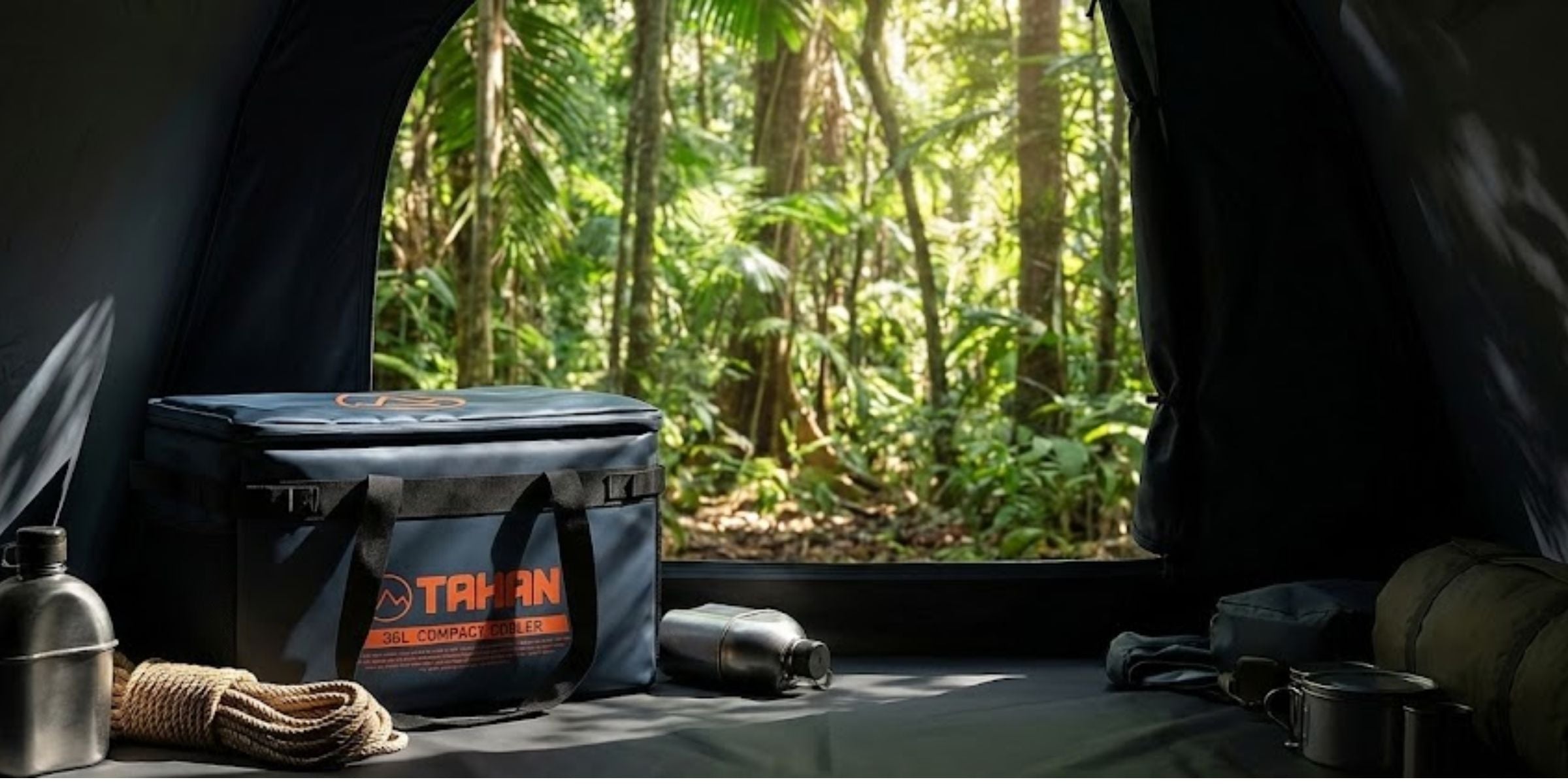


Camping's pretty awesome. A nice little escape from the urban world, tonnes of wonderful places to chill at, the really nice views, and nothing beats watching the sunset as you have a nice hot drink by your tent. Part of what makes camping even better is the shopping phase.
That's right, you gotta know what to look for before you even start, especially if you're new. As you gain experience, the best part is figuring out what you'll need to meet your needs, anything from tent sizes and cutleries to exactly how much toiletries to bring along before you run out. It gets pretty in-tents!
But hey, even if you've been camping for years or decades, sometimes you just forget stuff. Once you're at the campsite setting everything up as you're all excited, BOOM!
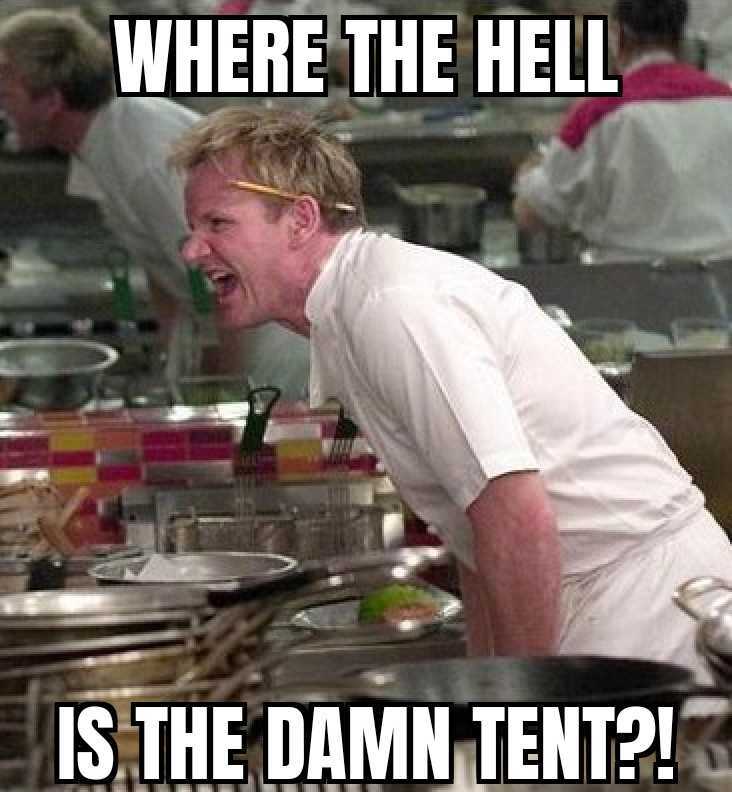
You scream out "Where's my [insert a super important thing you forgot]???" in Gordon Ramsay.
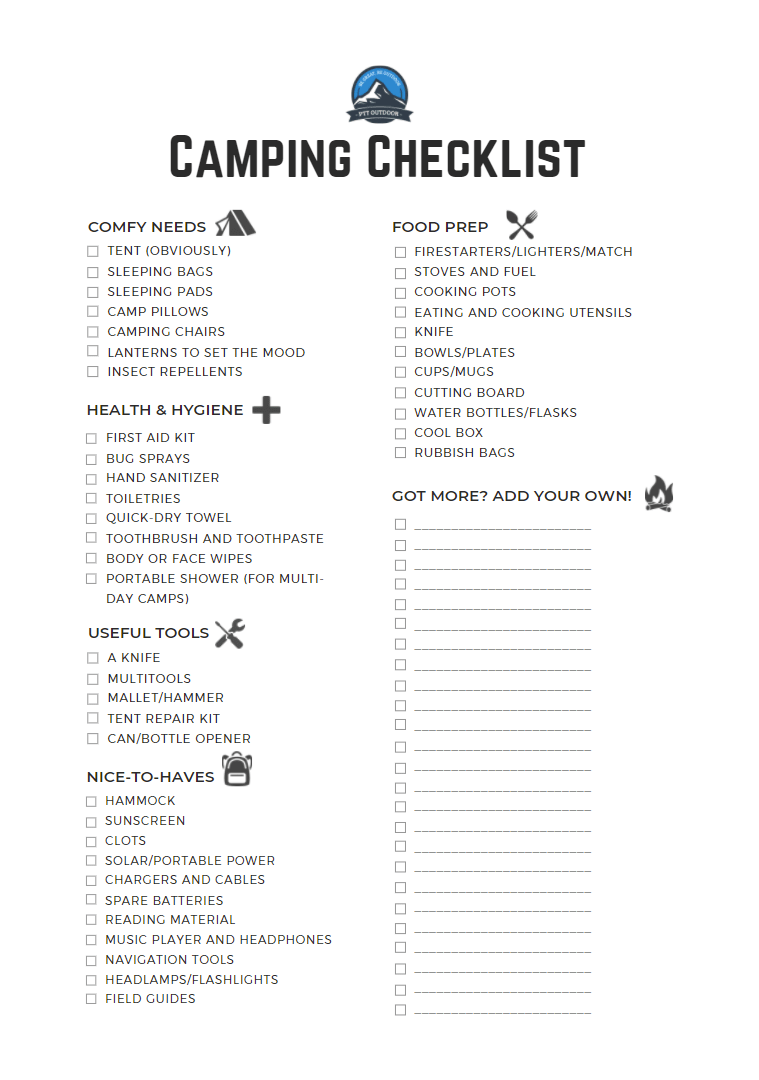
Yeah, we've been there. And so, here's the ultimate camping checklist that you'll find super handy when you're packing or shopping for your next trip.
The Ultimate Camping Checklist
But hey, things might get a little complicated if you're still new to camping. Worry not 'cause we've got a pretty quick rundown on the important things you need to know.Let's break it down:
Comfy needs
- Tent (obviously)
- Sleeping bags
- Sleeping pads
- Camp pillows
- Camping chairs
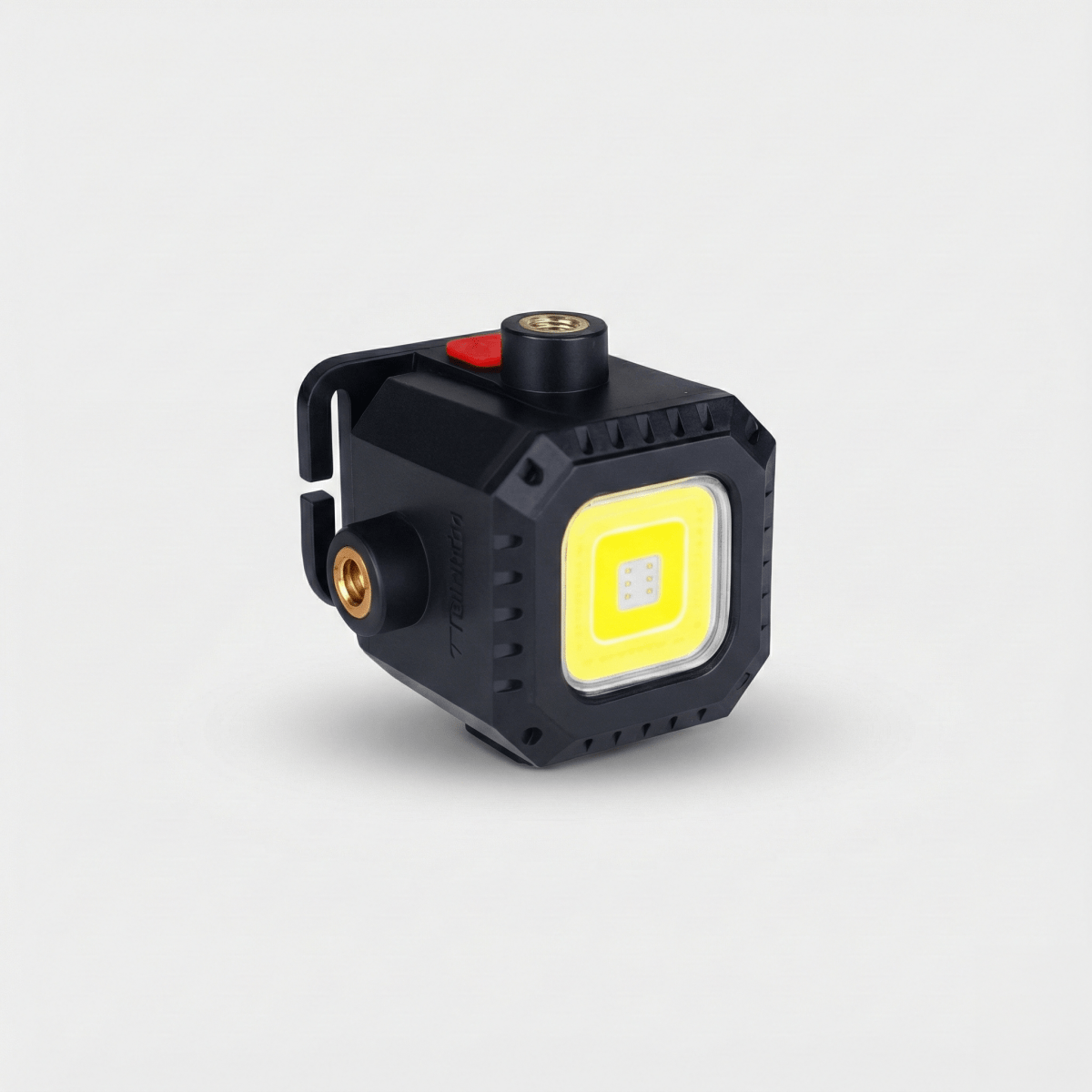
- Lanterns to set the mood
- Insect repellents


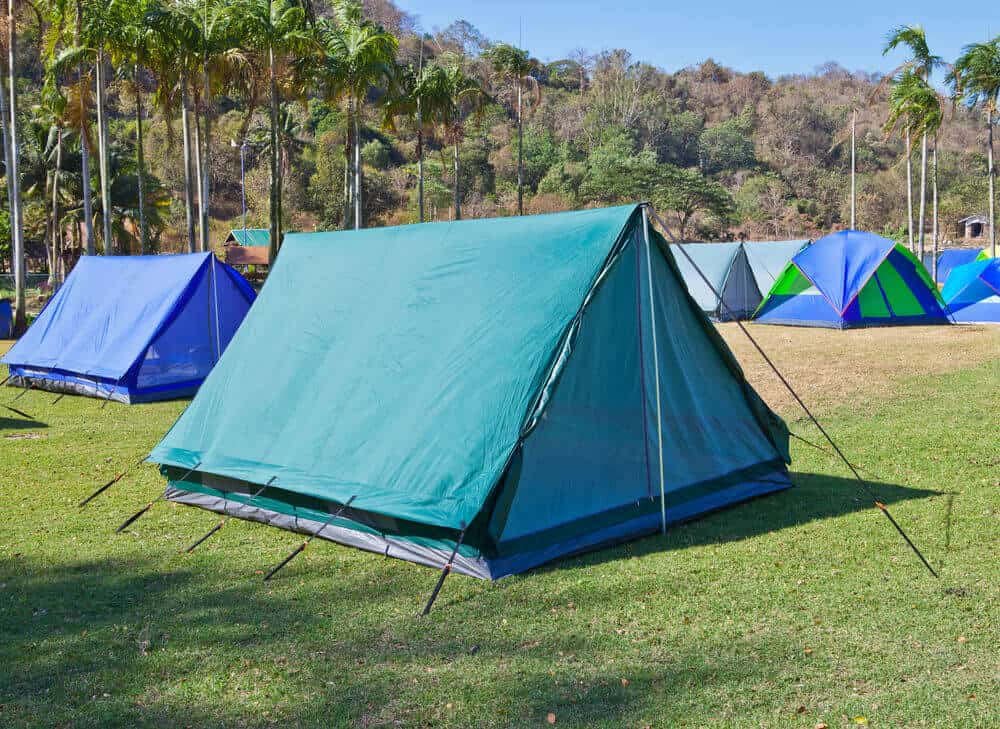
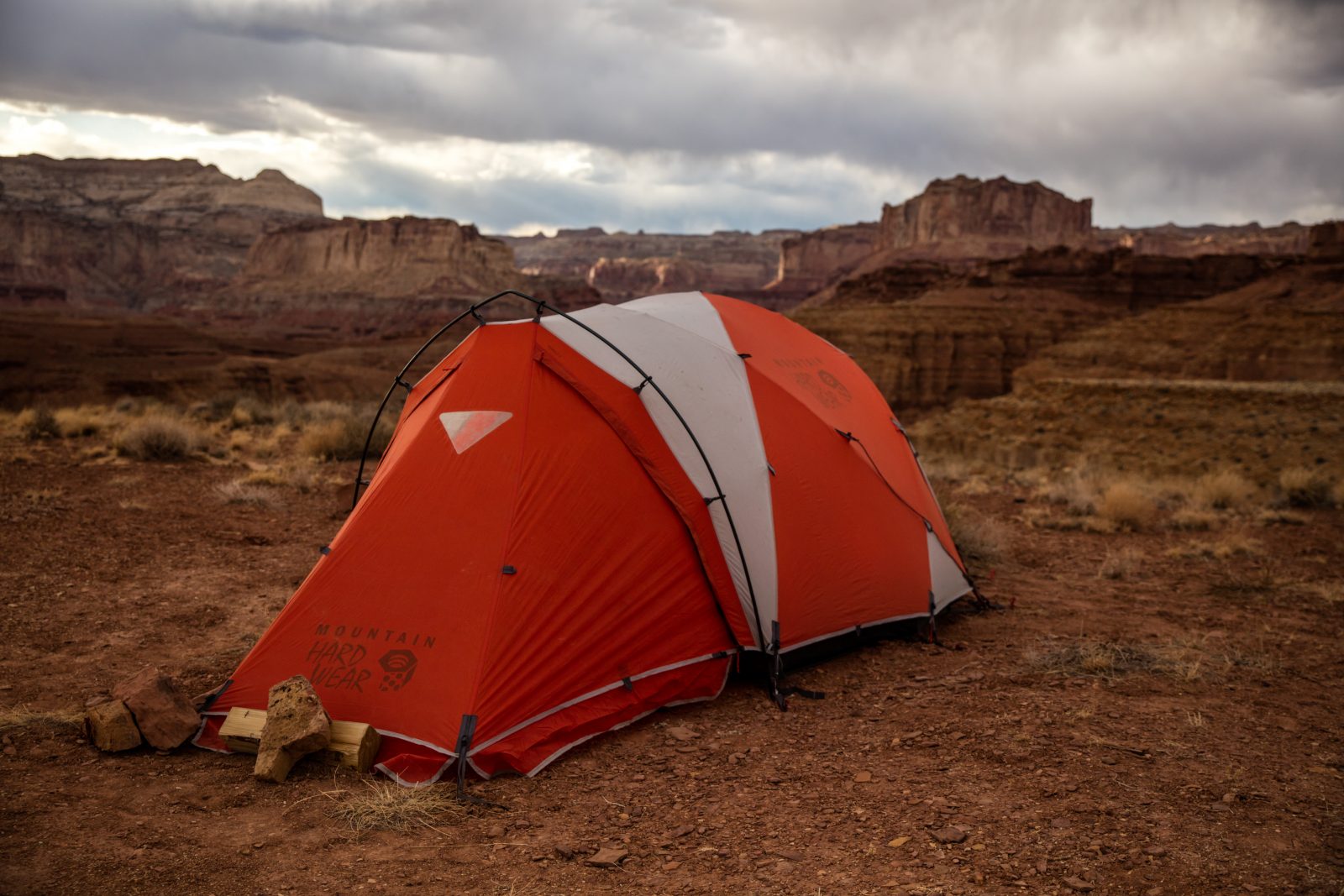
Basic ridge tents
Image courtesy: Trek Baron Yup, they look exactly like the tents you see in every kids' drawing. Jokes aside, they're super stable and easy to pitch but their height falls short, literally. While it's more than enough for sleeping and solo camping, they're not exactly great for family holidays.Dome tents
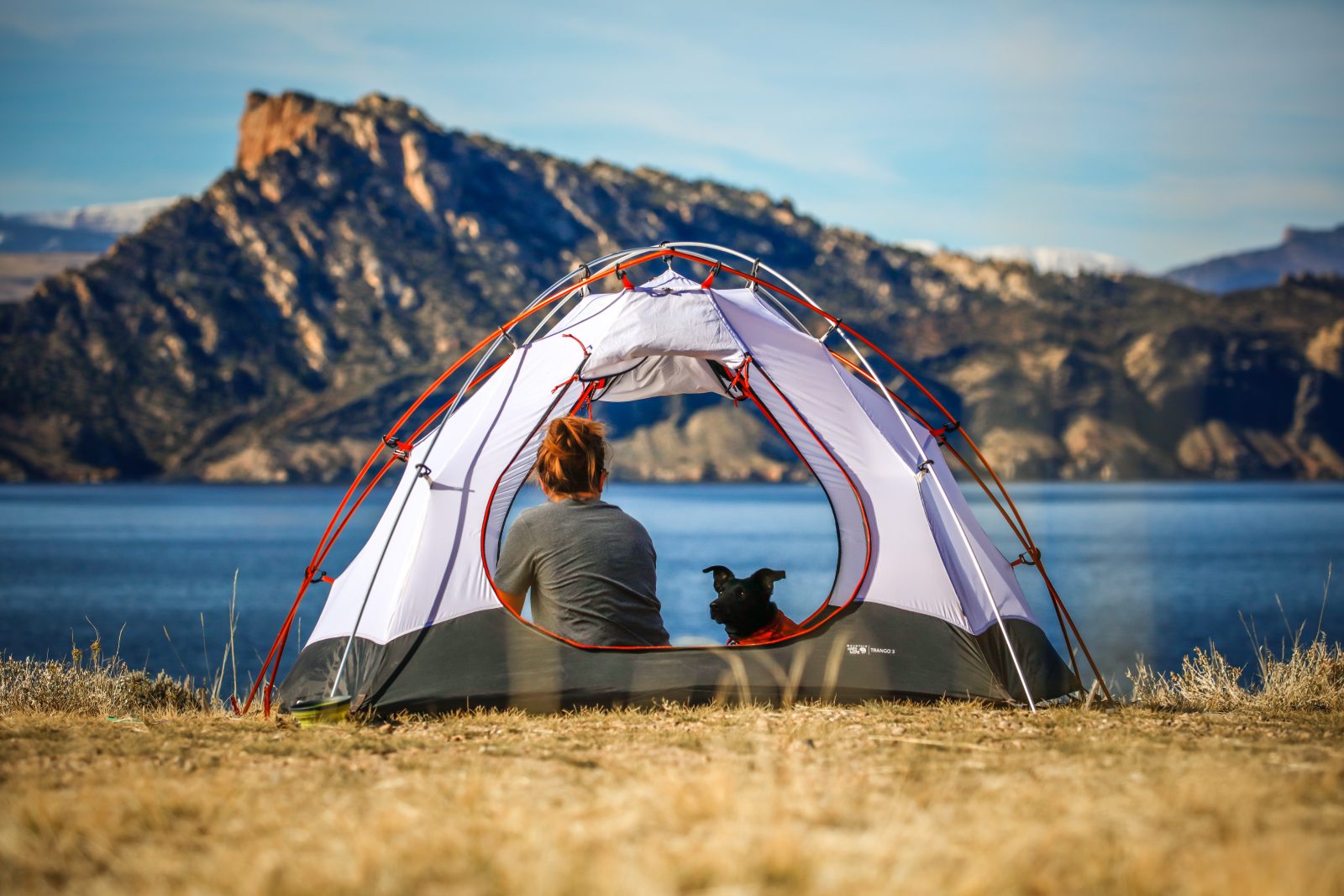
As the name suggests, it's a dome-shaped tent. Their sides are more vertical, and that means it's got more headroom. They don't come close to ridge tents when it comes to stability but they do get more unstable as you scale up the size though.Geodesic tents
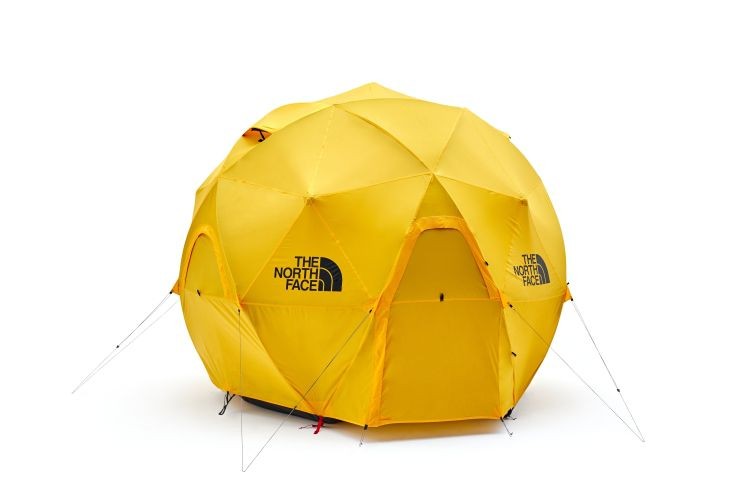
'Geodesic' is a mathematical term for the shortest route between two points on a surface, and it does make a lot of sense if you look at how the tent looks. Image courtesy: ArchDaily Geodesic tents are made up of poles that criss-cross over the surface, forming multiple triangles that make them the most stable type of tent out there. They are ideal for extreme weather conditions such as heavy rains and the likes of Everest.Instant tents
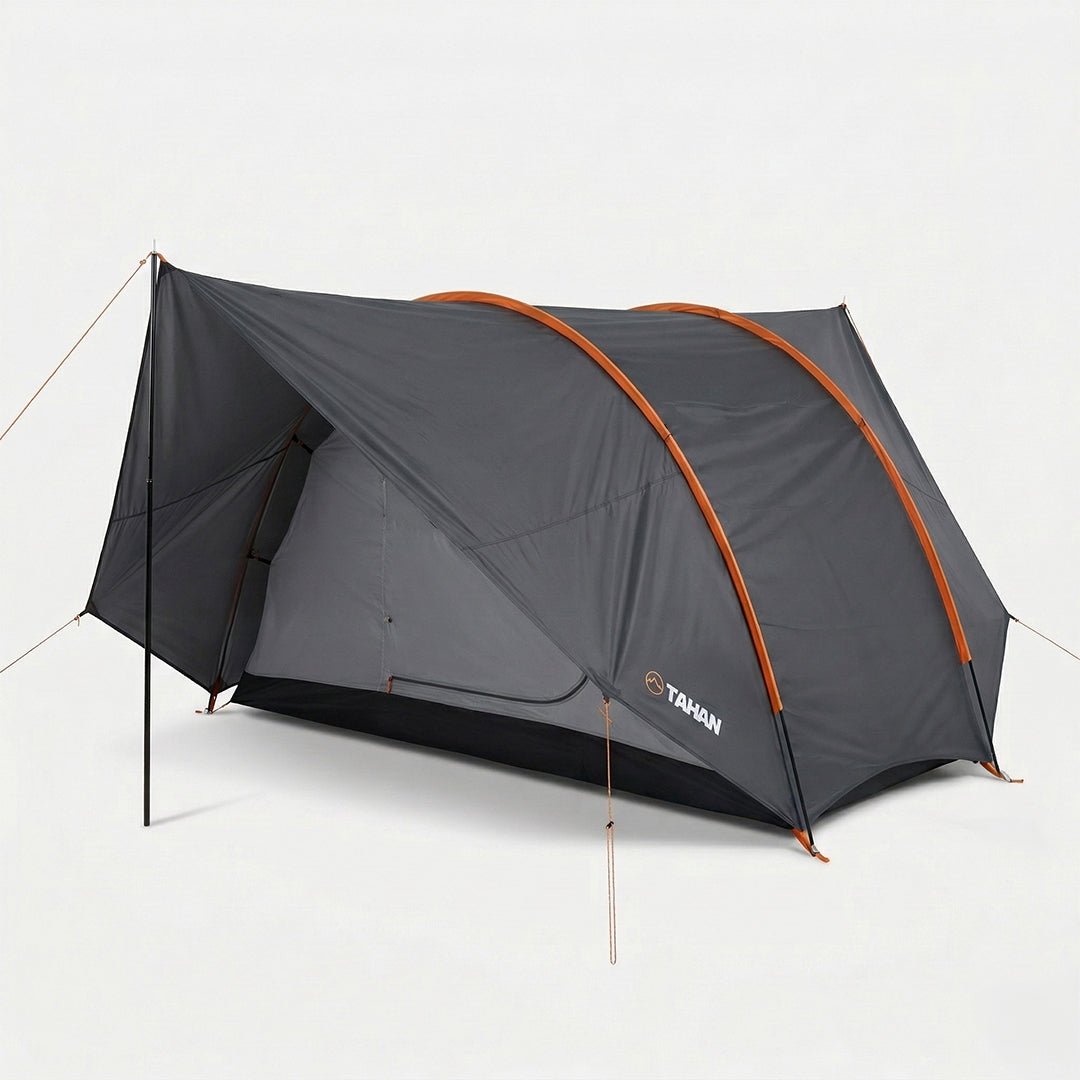
Just like instant noodles we all know and love, instant tents are FAST to set up. Some instant tents also come in what I'd like to call an"'umbrella configuration" 'cause of how the top looks. These can be set up by just simply placing them on the ground, and raising the top. An easy example of this is our very own TAHAN Weekender tent — we no longer carry that exact model, but the TAHAN Pavillion Shelter Tent is our current pick if you want something fast and versatile. Moving on…Nice-to-haves
- Hammock
- Sunscreen
- Cot
- Solar/portable power
- Chargers and cables
- Spare batteries
- Reading material
- Music player (headphones make it better)
- Navigation tools
- Headlamps/flashlights
- Field guides
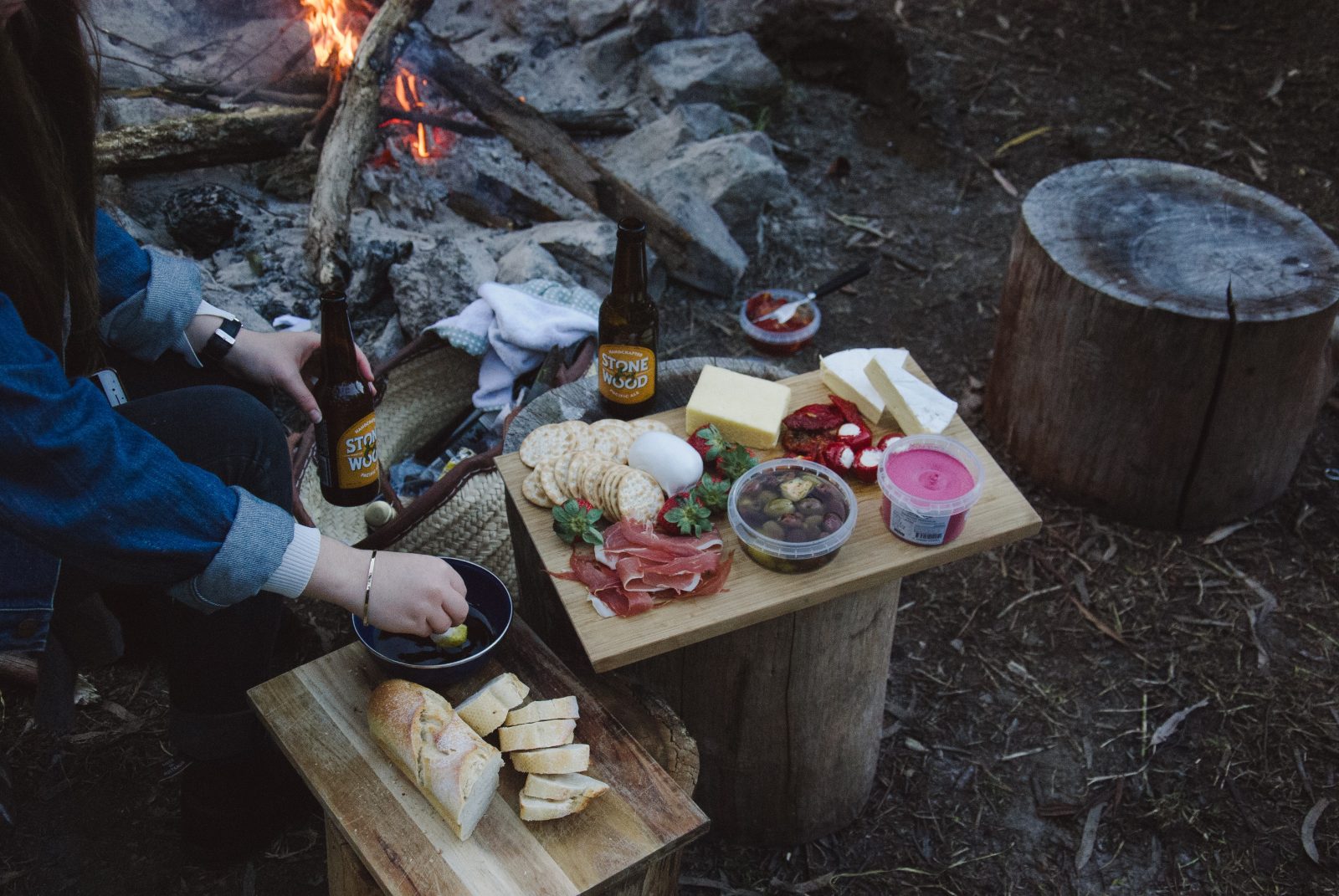
Food prep
- Firestarters/lighters, matches
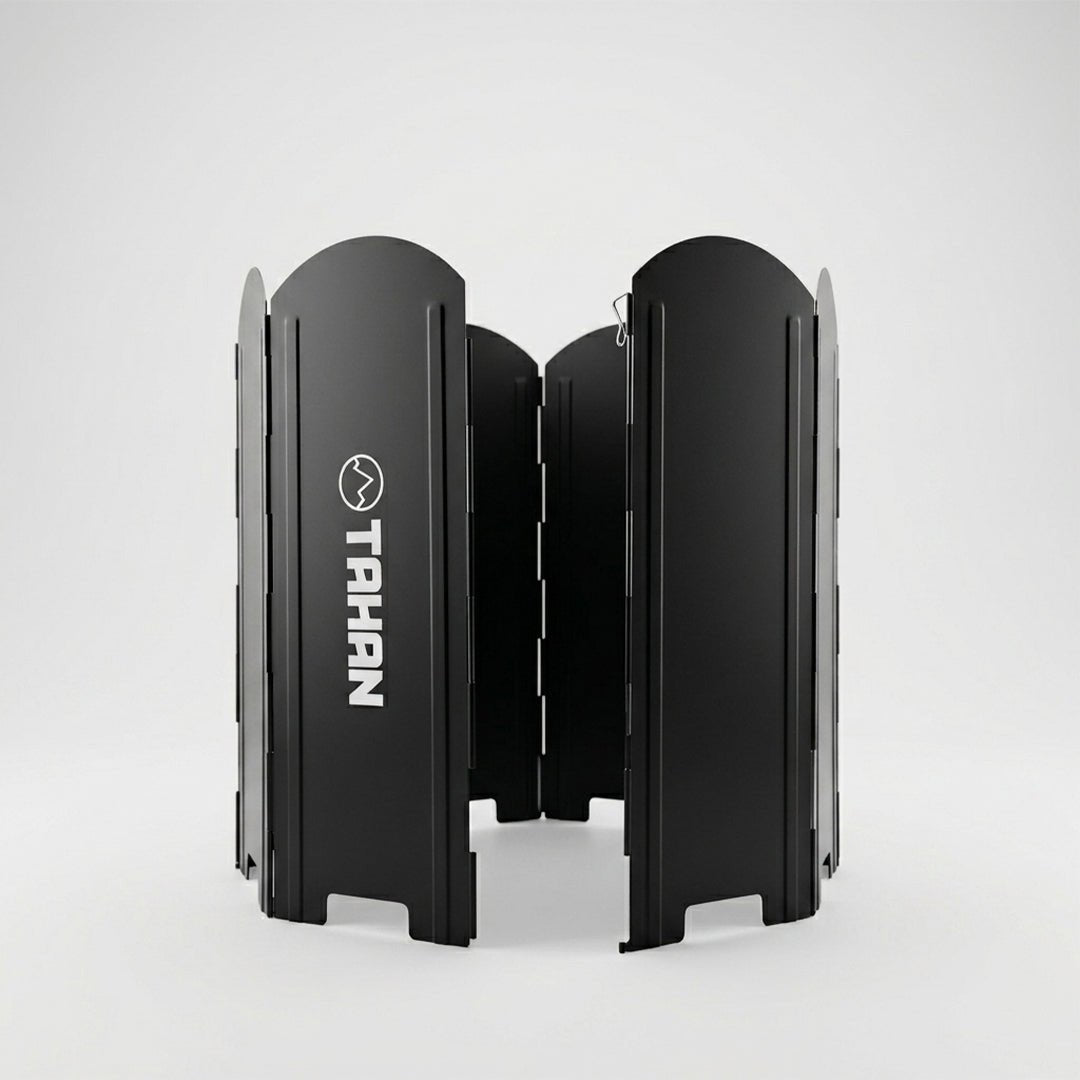
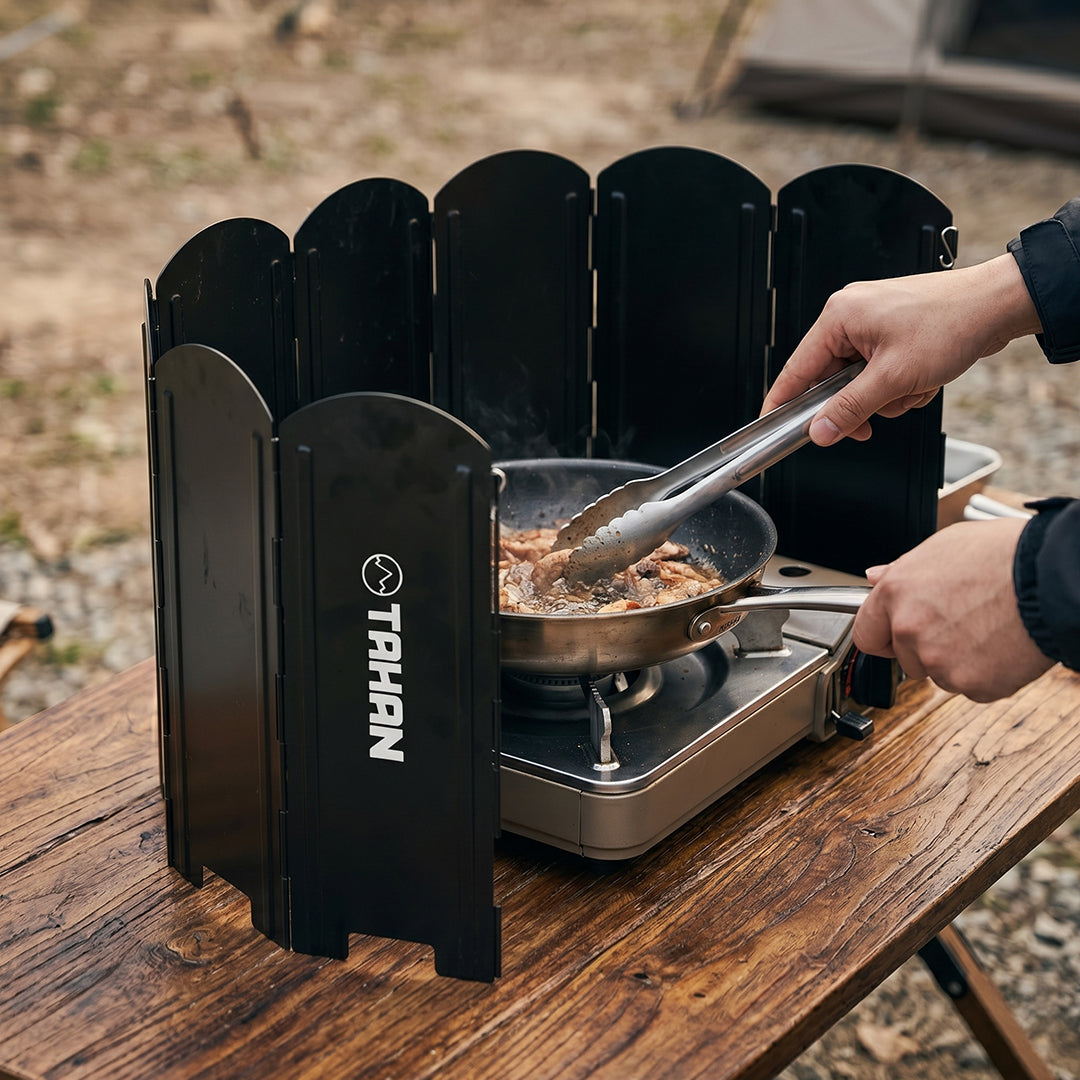
- Stoves and fuel
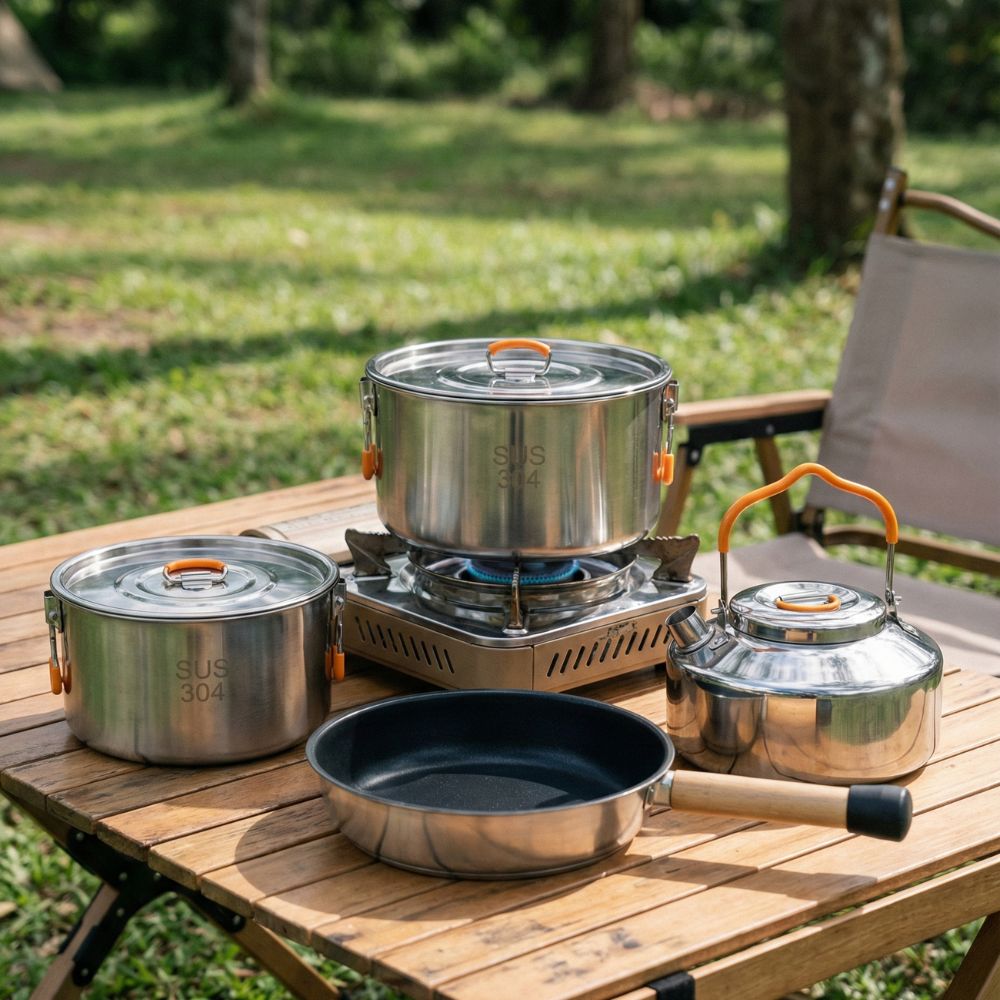
- Cooking pots
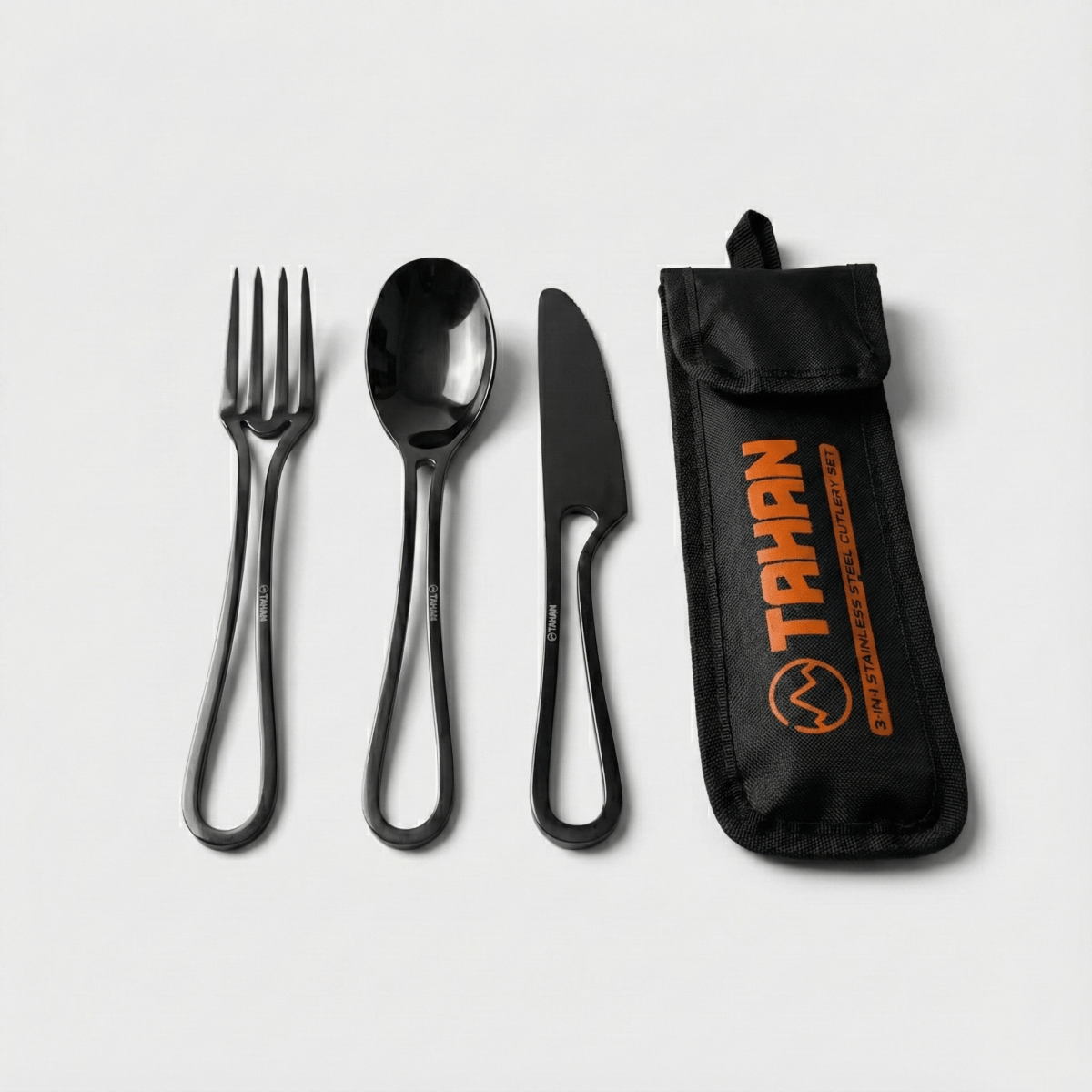
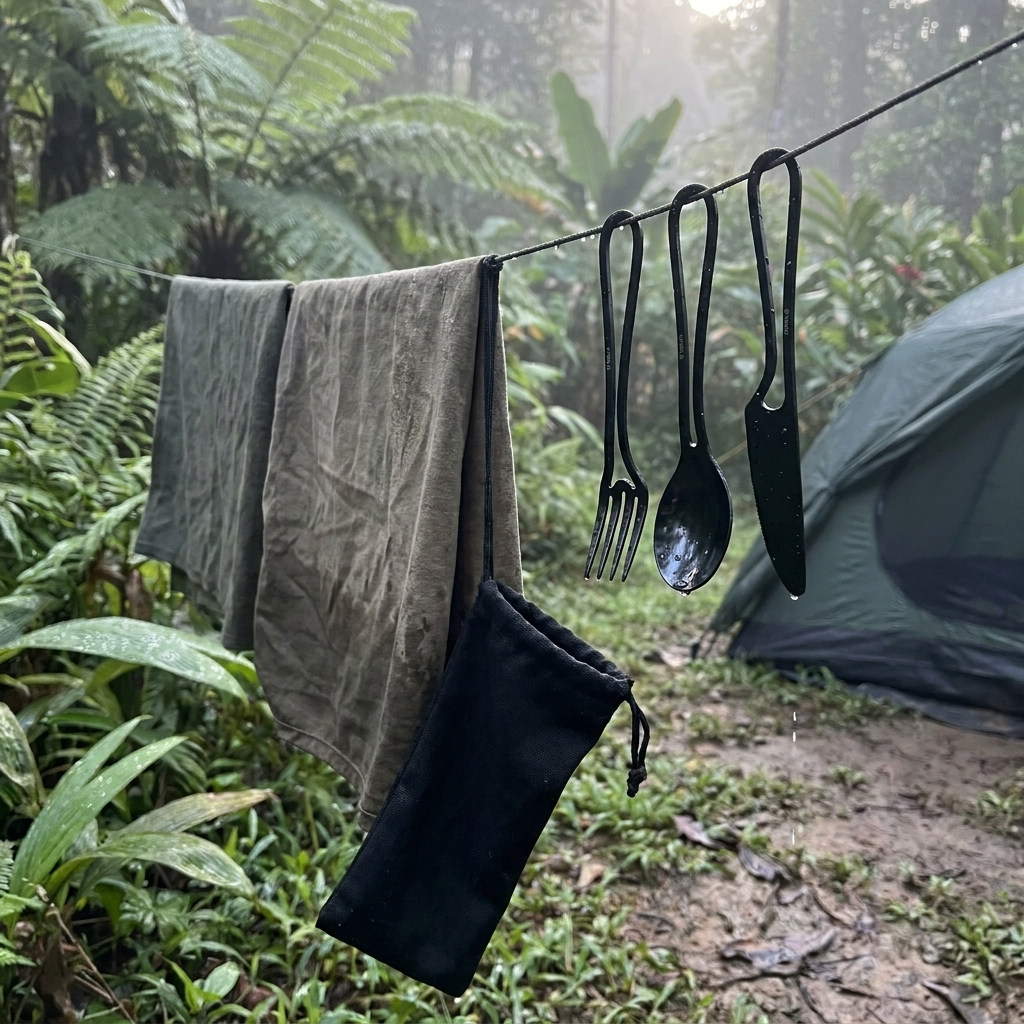
- Eating and cooking utensils
- Knife
- Bowls/plates
- Cups/mugs
- Cutting board
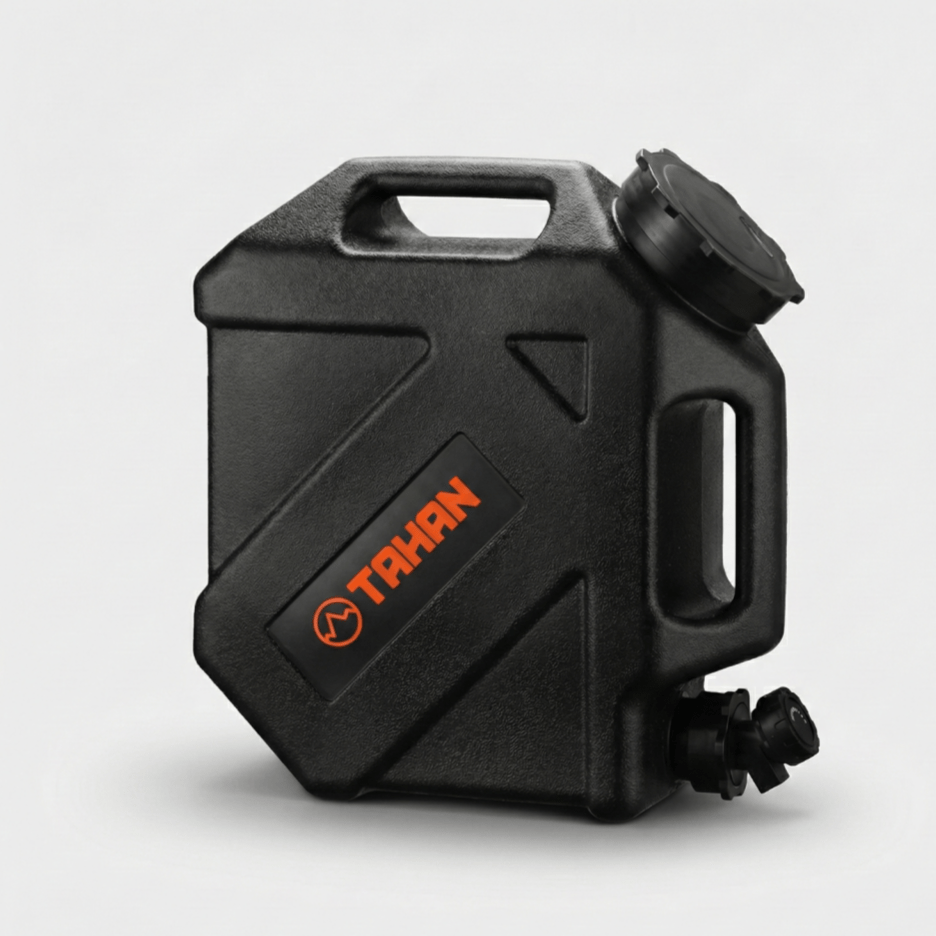
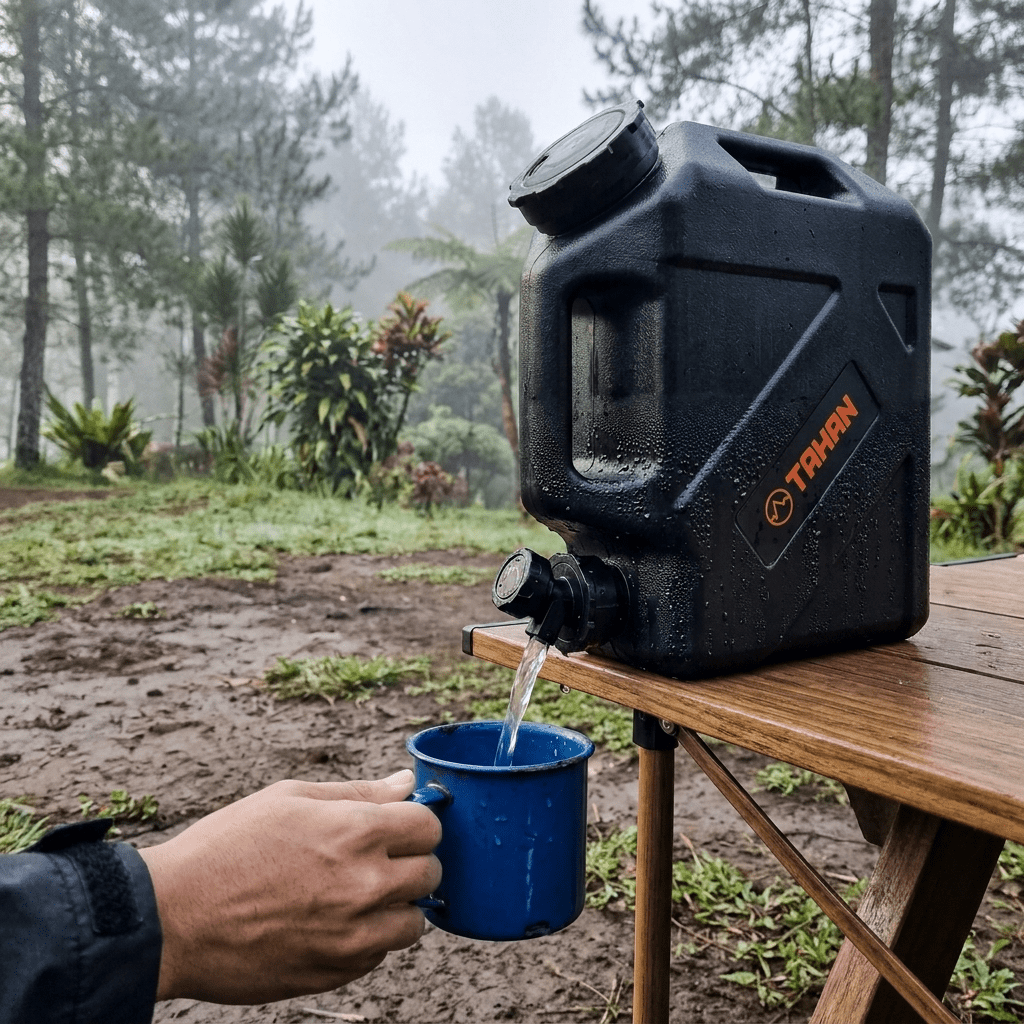
- Water bottles/flasks
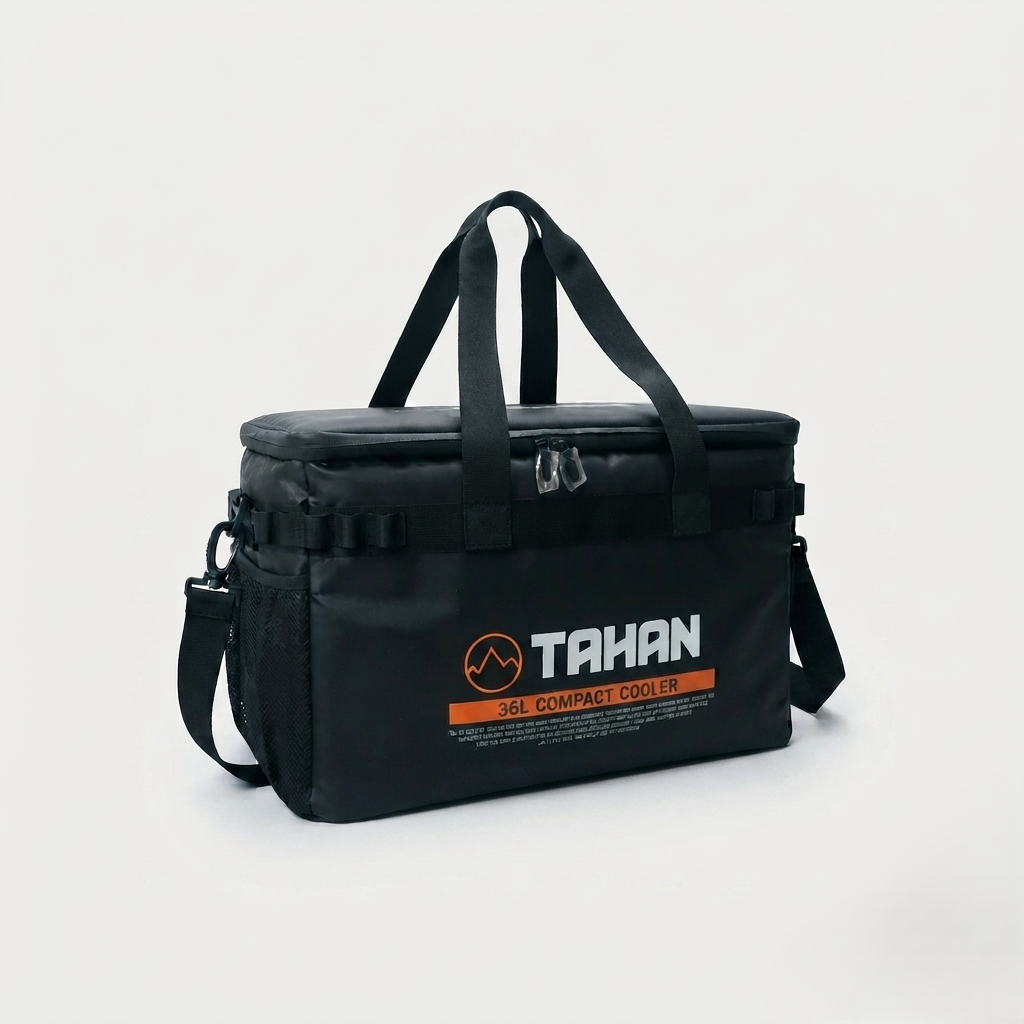
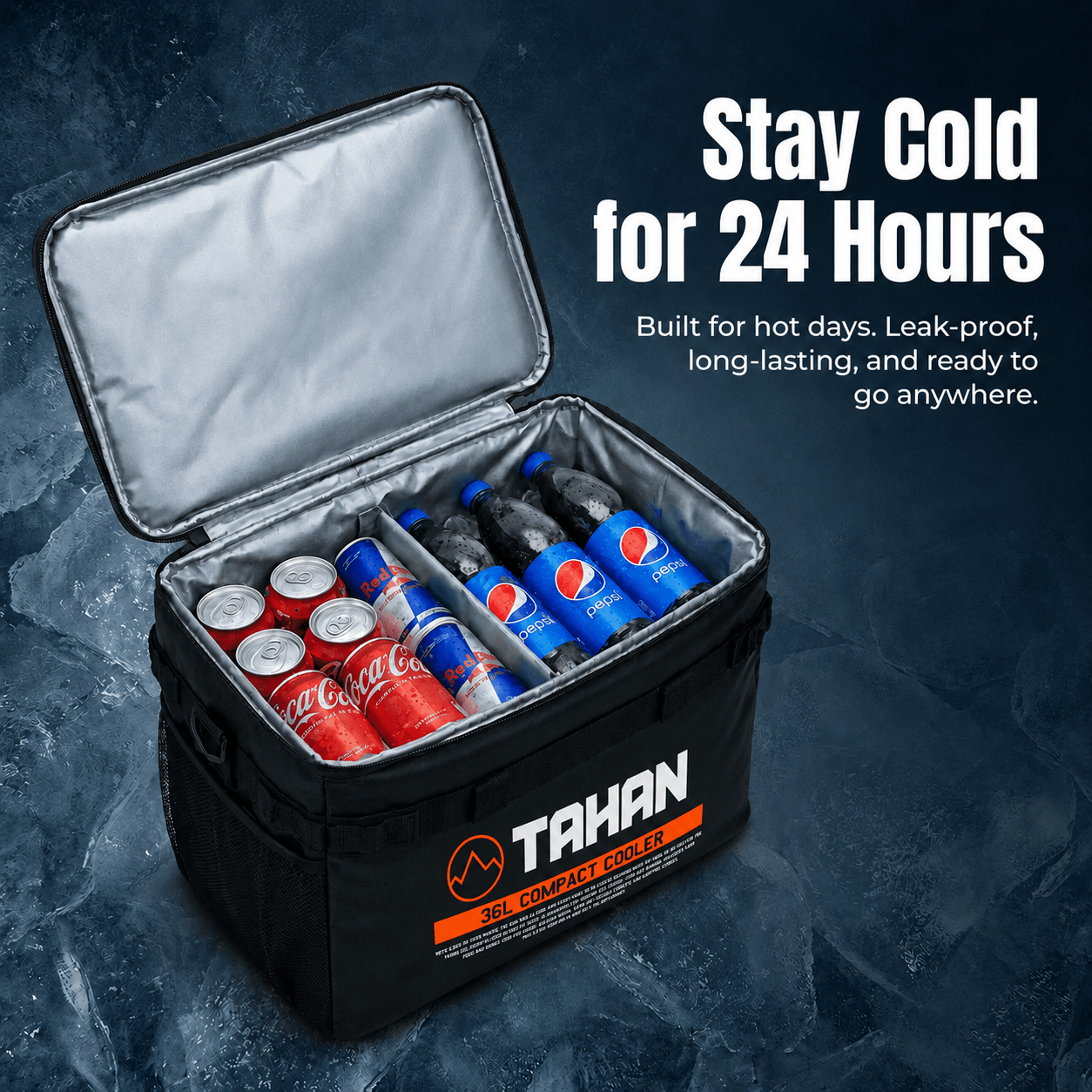
- Cool box
- Rubbish bags
Health and hygiene
- First aid kit
- Bug sprays
- Hand sanitizer
- Toiletries
- Quick-dry towel
- Toothbrush and toothpaste
- Body or face wipes
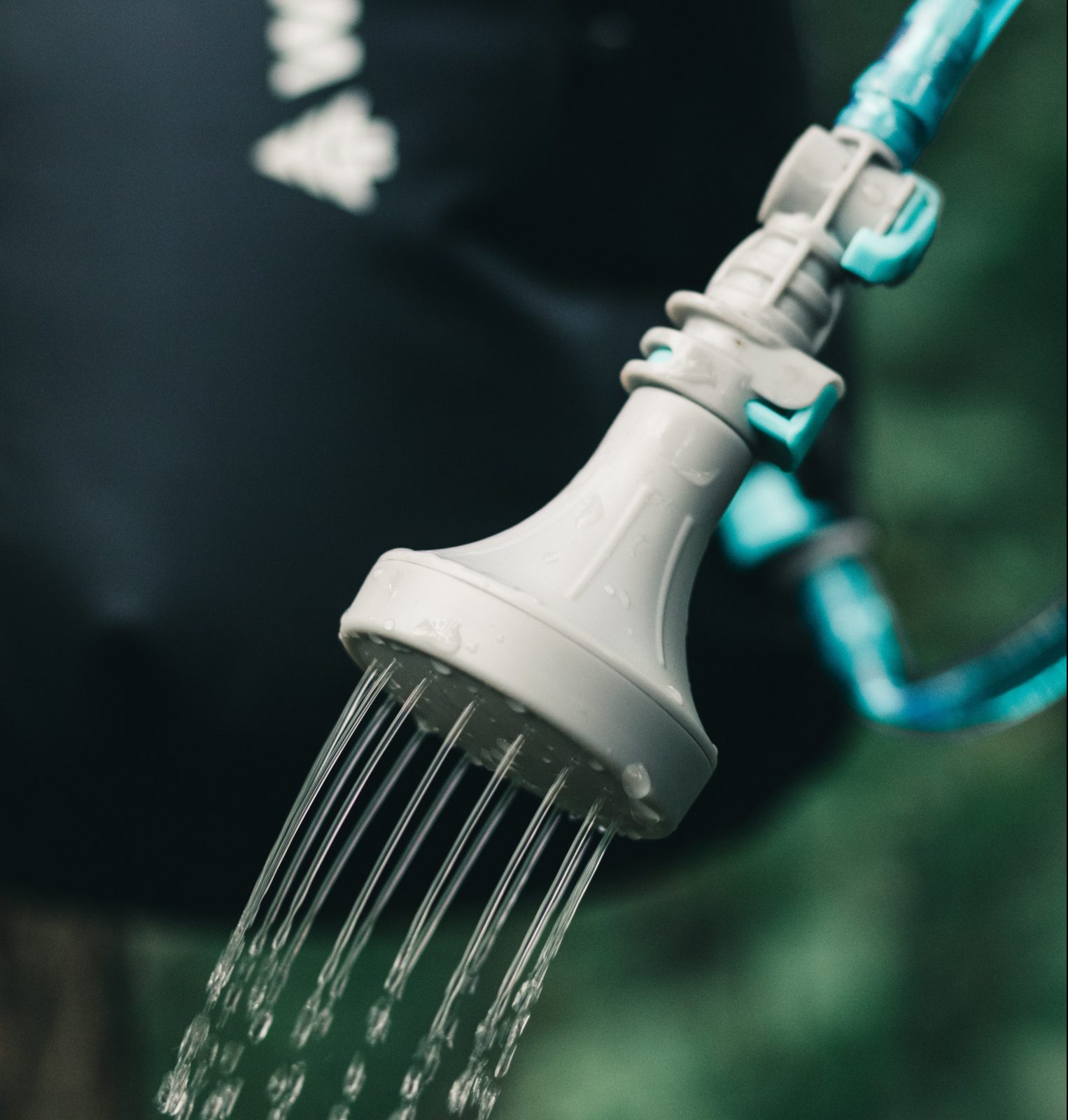
- Portable shower (for multi-day camps)
Useful tools
- A knife
- Multitools
- Mallet/hammer
- Tent repair kit
- Can/bottle opener
And that's a wrap!
Yep! And so, here's a printable version of the checklist if you prefer a physical copy you can write on: Now of course, not everything in this list is a must. What's needed highly depends on where you're camping, how long you're gonna be there, who you're going with and many more. Which is why we have a section just for you to add your own stuff in the checklist. Stay safe, and happy camping!If you're new here, do follow us on Facebook, Instagram and Twitter to get the latest update on our products and campaigns.