
Telaga Tujuh Langkawi: The Complete Waterfall Guide (2026)
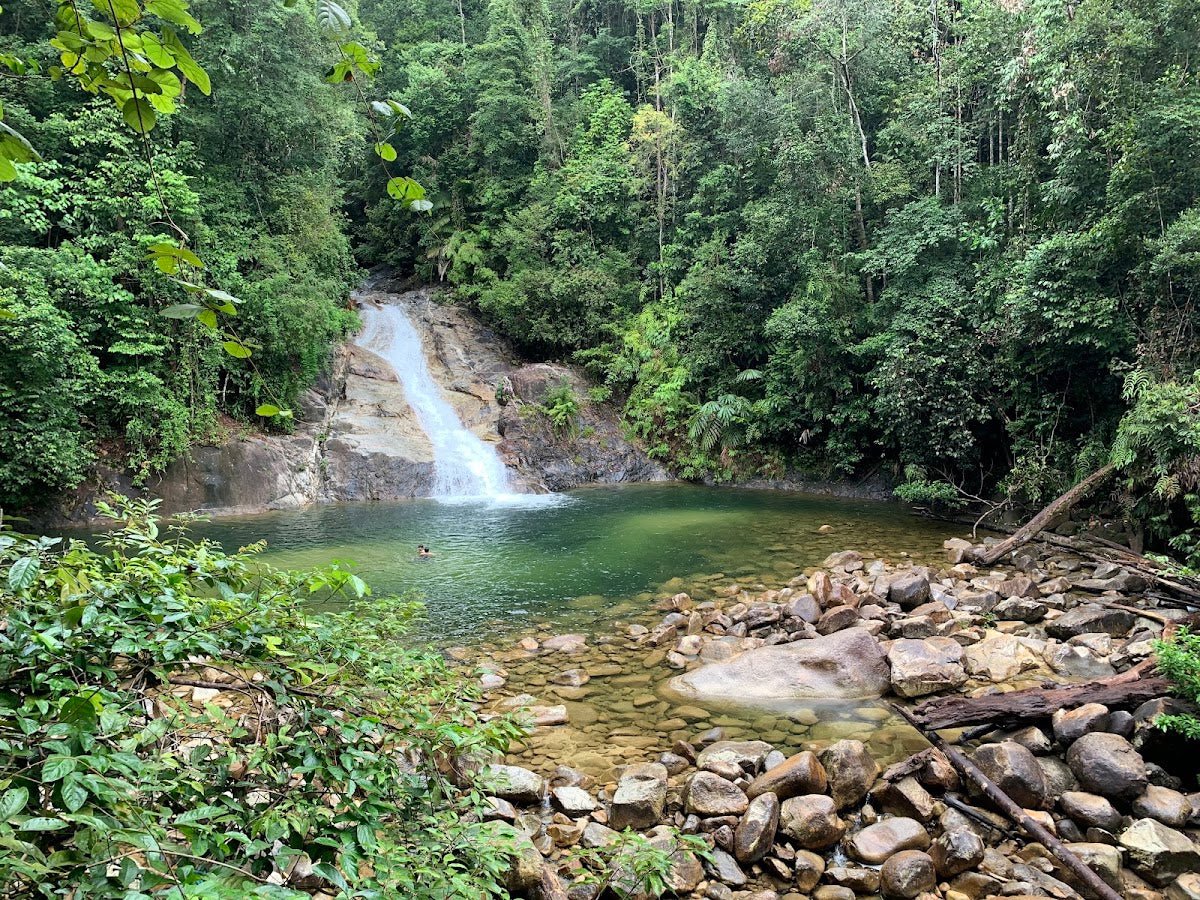
Telaga Tujuh — Seven Wells — is one of Langkawi's most genuinely impressive natural attractions, and for good reason. Seven cascading waterfalls drop from a height of approximately 91 metres, feeding into seven natural pools (telaga means 'well' in Malay) carved into ancient Machinchang Geopark granite. This is not a quick roadside splash; it rewards the effort of climbing 600-plus stairs with dramatic scenery, cool freshwater pools, and at the very top, an infinity pool with views that'll make you forget you're sweating. It suits active families, hikers, and anyone wanting something more memorable than a beach chair.

That said, Telaga Tujuh is a place that has seriously hurt and killed visitors. The rocks are genuinely slippery, the upper section is not for small children, and the wet season brings a phenomenon called kepala air — a sudden surge of water that has no warning and no mercy. This guide gives you the full picture so you can enjoy it safely.
Best suited for: families with older kids (lower pools), fit adults wanting a proper hike, nature lovers, UNESCO Geopark enthusiasts. Less suitable for: very young children, visitors with mobility concerns, anyone who wants a flat easy stroll.
Quick Facts
- Location: Jalan Telaga Tujuh, 07000 Langkawi, Kedah — near Pantai Kok, west side of the island, within Machinchang Geopark
- Entrance fee: CONFLICTING — older sources say free; recent 2026 sources report RM10 per person (cash). Verify before you go (see Fees section below).
- Parking: RM2 for cars, RM1 for motorbikes
- Opening hours: Most sources say 8:30 am–6:00 pm (last entry 5:30 pm). Verify locally as other time ranges have been reported.
- Walk to lower pools: 10–40 minutes from parking (sources vary); parking lot is 700m from the entrance
- Stairs to top: 600–640 steps, approximately 30 minutes, elevation gain ~150m
- Swimmable: Lower pools yes (with caution); upper infinity pool — avoid swimming, high fall and current risk
- Camping: Not permitted
- Facilities: Restrooms near parking (basic quality); food and drink vendors at base
Getting There & Parking
Telaga Tujuh is on the western side of Langkawi, near the Pantai Kok area and close to the Langkawi Cable Car — both are worth combining in a day if you have the energy. From Kuah town it's roughly 25–45 minutes depending on traffic and which road you take (sources conflict on exact time). If you're staying in Cenang, budget around 30–40 minutes. Road signage to Telaga Tujuh is generally clear enough — look for signs toward Pantai Kok and Machinchang Geopark.
The parking lot is large and sits 700m from the waterfall entrance. Parking is straightforward: RM2 for cars, RM1 for motorbikes. Many visitors rent scooters from Cenang and find the ride easy and enjoyable — totally viable option. There are food vendors, drink stalls, and souvenir shops right at the parking area so you can fuel up before the climb or reward yourself after. Watch your bag near the stalls — monkeys in this area are notorious for grabbing backpacks when your guard is down.
Fees & Opening Hours
Here's where things get murky and I want to be straight with you. Older and multiple sources say Telaga Tujuh is free to enter. However, recent 2026 visitor reports indicate a paid entry policy of RM10 per person collected in cash at the entrance — apparently by a nature park operator. One visitor report from late 2025 mentions paying RM20 for two (tourist rate), suggesting there may also be a separate local versus tourist pricing structure.
Bottom line: bring cash, budget for RM10 per person, and verify the current status with the Langkawi Development Authority (LADA) or your hotel before visiting. Fees and policies in Langkawi can change with short notice and online information lags behind reality.
For opening hours, the most commonly cited time is 8:30 am to 6:00 pm with last entry at 5:30 pm. However, other sources have reported different hours. Do not plan to arrive late and assume you'll get in — check with local tourism offices or your accommodation closer to your visit date. Arriving early morning is recommended anyway; crowds build significantly through the day.

The Falls & Swimming
Telaga Tujuh lives up to its name. Seven waterfalls cascade down from the Machinchang range, dropping a total of approximately 91 metres and filling a series of natural granite pools along the way. The whole system runs through genuine tropical rainforest — the trail is well-marked, but it is a proper jungle walk with roots, rocks, and humidity.
The lower pools are the most accessible and are where families with kids tend to congregate. The water is cool, the pools are sheltered, and the setting is beautiful. This is also the safest zone for swimming, though 'safe' is relative — even here the rocks are slippery and currents pick up after rain.

The trail up involves 600–640 steps with an elevation gain of around 150 metres. Some sources mention three distinct stages accessible to visitors along the way, each with its own pool and waterfall view. It's a solid workout, especially in Langkawi's humidity. The good news: the stairs are reasonably well-maintained and the trail is shaded for most of the climb.
At the top sits the famous infinity pool — a natural pool at the edge of a dramatic drop with sweeping views across the jungle and coast. It is visually stunning. It is also where serious accidents have happened. Warning signs at the site indicate a fall of 65 metres or more with signage explicitly noting poor survival odds. Treat this as a viewpoint and photography spot, not a swimming hole. The currents here are strong and the consequences of going in and losing control are fatal.

Water flow is most dramatic during and after the wet season — fuller pools, more powerful cascades. But this is also when the hazards spike sharply. During the dry season (roughly November to February/April) conditions are safer and more manageable, though the falls have less volume. Early morning visits consistently beat the midday crowd rush.

Safety First
I'll be blunt about this section because the hazards here are real and documented. Telaga Tujuh has seen fatal and serious accidents, and most of them were preventable.
Slippery rocks: The granite rocks throughout the trail and in every pool are covered in algae. They are slippery when wet — which is always. Wear footwear with grip. Flip-flops can work on good days (one visitor noted this), but after rain they're an invitation to fall. Tread carefully on every surface, even areas that look dry.
Kepala air: This is the big one for Langkawi specifically. Kepala air refers to a sudden surge of water — a flash of volume that rushes downstream with no warning at the point you're standing. It is particularly dangerous during the wet season (September to December). You can be in a pool on a sunny day while heavy rain is falling several kilometres upstream and have no idea until the water surges. This phenomenon has contributed to deaths at Malaysian waterfalls. Do not swim during or shortly after rain, and be extremely cautious during the September–December wet season.
Upper infinity pool: Stay out of the water here. The signage warns of a 65-metre-plus fall with effectively zero survival odds. The pool's currents are strong. Admire the view from a safe distance, take your photos, and move on.
Falls from cliffs: Fatal fall incidents from cliff edges have been documented at Telaga Tujuh, including a reported case of a young person falling approximately 15 metres and fracturing their skull. Stay well back from edges, especially if you are wet and the rock is slick.
Wildlife: Monkeys will grab unattended bags — keep food sealed and bags close. Ticks and leeches are present on the trail, especially in vegetation. Tuck pants into socks if you're doing the full ascent and check yourself afterwards.
Signage and barriers: Some dangerous areas reportedly have inadequate warning signs and lack proper barriers. Do not assume that if an area is accessible it is therefore safe.
Water levels can rise fast even when it's sunny where you stand — watch the weather upstream, and get out of the water the moment it turns murky or debris starts flowing. Or ask the TAHAN Hiking Community on WhatsApp — someone's usually been there that week.
What to Bring
- Footwear with grip — water shoes or decent rubber-soled sandals. Flip-flops are borderline; after rain, upgrade.
- Change of clothes and a dry bag — you will get wet, and you'll want dry clothes for the drive back
- Sunscreen and insect repellent — jungle trail means both are necessary
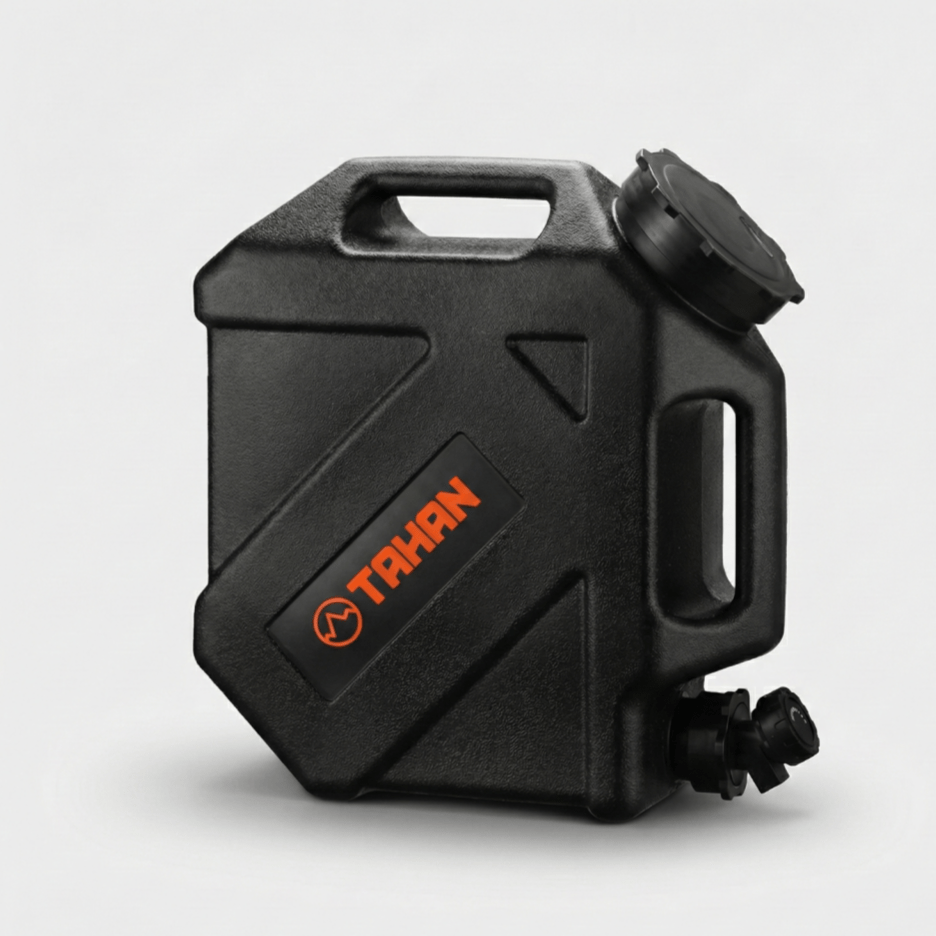
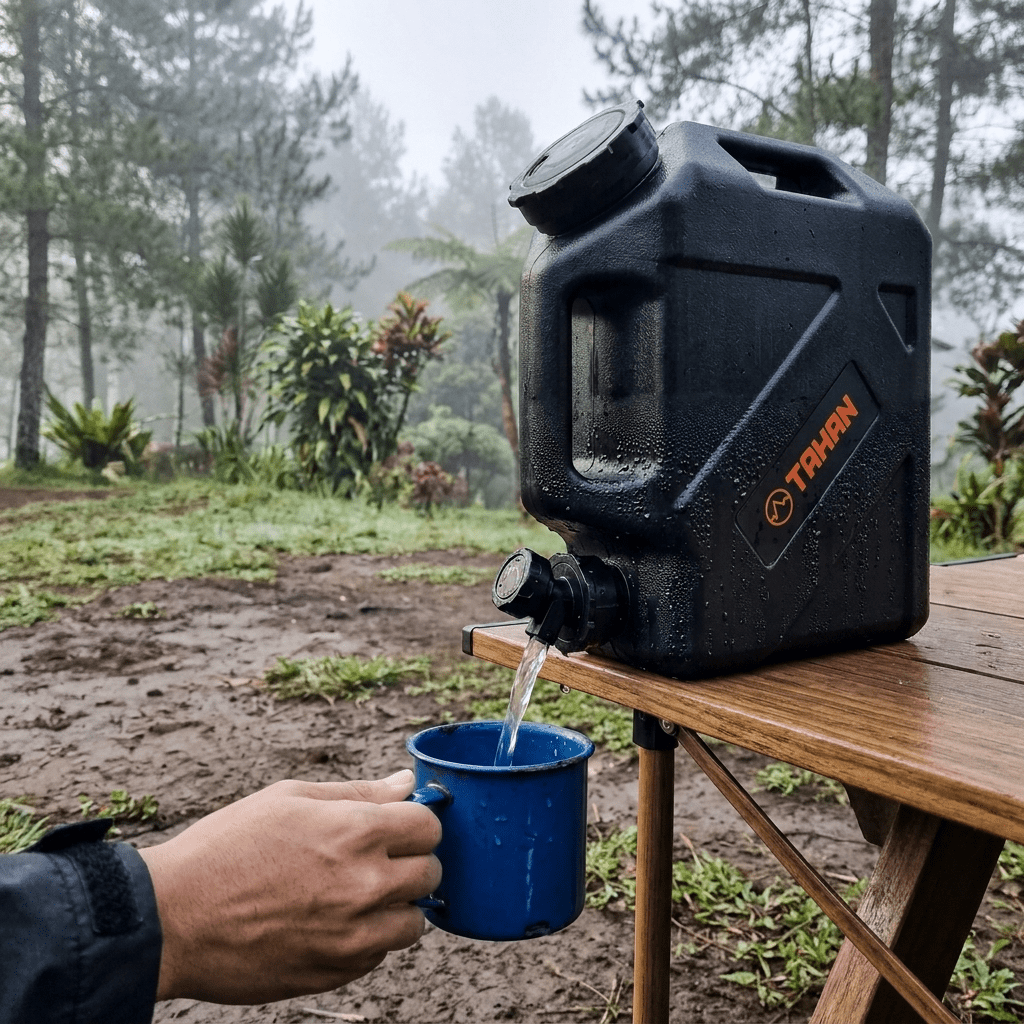
- Plenty of water — the climb is humid and tiring. If you're heading up with a group, the TAHAN 10L Water Container is handy for keeping a communal supply at the base while you explore the pools
- Snacks — there are vendors at the base but nothing on the trail itself
- Cash — parking and entrance fees (if applicable) are cash only
- Waterproof phone pouch or dry bag for valuables
- Leech socks or long pants if you're doing the full ascent — ticks and leeches are real on this trail
- Small first aid kit — plasters at minimum for any scrapes from rocks. The TAHAN Multifunction Tool is compact and genuinely useful to have in your bag on any outdoor outing in Malaysia
- A proper packing list habit — if you're combining this with any overnight stay or camping nearby, run through our camping checklist to make sure you're not missing anything important

FAQ
Is Telaga Tujuh open in 2026?
As of 2026, Telaga Tujuh is open to visitors. Most sources indicate operating hours of 8:30 am to 6:00 pm with last entry at 5:30 pm, but reported hours vary across sources. Confirm current hours with the Langkawi Development Authority (LADA) or your accommodation before visiting — especially if you're planning an early morning or late afternoon visit.
Berapa entrance fee Telaga Tujuh? (What is the entrance fee?)
Good question to check — because this is genuinely unclear right now. Multiple older sources say Telaga Tujuh is free. However, recent 2026 visitor reports indicate RM10 per person collected at the entrance, possibly with separate local and tourist rates. Bring cash and budget RM10–20 per person to be safe. Contact the Langkawi tourism board or LADA for confirmed current pricing before your visit.
Can you swim at Telaga Tujuh?
Yes, in the lower pools — but with real caution. The lower pools are the most suitable for swimming and are popular with families. The upper section, including the top infinity pool, should not be used for swimming due to strong currents and a 65-metre-plus fall risk. Avoid swimming during or after heavy rain due to the kepala air (sudden water surge) phenomenon, and be particularly cautious during the wet season from September to December. Water depth is not officially published, so do not assume any pool is shallow.
Is Telaga Tujuh kid-friendly?
The lower pools are family-friendly for older children who are confident on their feet. The trail involves 600–640 steps with an elevation gain of approximately 150 metres — manageable for fit kids but tiring. The upper section is not recommended for small children due to steep terrain, very slippery rocks, and the serious fall hazards near the top infinity pool. If you're bringing little ones, plan to enjoy the lower pools and skip the full ascent.
Camp Nearby?
Camping is not permitted at Telaga Tujuh itself, so if you want to make a longer trip out of your Kedah and northern Malaysia adventure, here are a few options worth considering. On the mainland, Sedim Signature Campsite and KIF Campsite Baling are both within Kedah and worth checking out for a proper outdoor stay. If you're crossing into Penang, Nadi Glamping Suites, Penang is a comfortable option that bridges the gap between camping and a proper bed. All three are reviewed in detail on the TAHAN blog.
Trail conditions, permit updates, and hiking buddies for the weekend — all in one WhatsApp group. Just ask; someone was probably up there last week.
💬 Join the Hiking CommunityFree, one click. No spam — the occasional promo at most.
Mike has been camping across Malaysia for over 10 years — from jungle treks in Taman Negara to beach camps in Perhentian. He writes about it so you don't have to find out the hard way. Follow along on TAHAN Outdoor's blog for honest campsite reviews, every week.
⛺ Featured in: Air Terjun Kedah: 5 Waterfalls Including Langkawi's Best (2026)