
Camp 5, Mulu National Park — The Most Hardcore Basecamp in Sarawak

The Vibe
This is not your average campsite. Camp 5 is deep inside Mulu National Park in Sarawak — proper rainforest, no road access, no shortcuts. You get here by a long boat ride up the river followed by a 9km jungle trek. By the time you arrive, you've earned it. And when you do, you're standing in one of the most remote camps in all of Malaysia.
The whole place has that base camp energy — like everyone here is preparing for something big, or just got back from it. Most people are at Camp 5 specifically to summit The Pinnacles the next day, one of Borneo's most legendary hikes. So the crowd is a mix of serious trekkers, adventure tourists, and the occasional brave solo traveller. It's international too — on any given night you might be sharing the kitchen with people from Germany, Australia, Japan, wherever. One camper called it a "melting pot" and yeah, that tracks.
The accommodation is basic — open-air rooms with mattresses on wooden platforms, no bedsheets. The river runs right next to camp. The jungle is literally all around you. If you want an experience that feels genuinely wild and remote, Camp 5 delivers in spades.

Getting There
Camp 5 is inside Mulu National Park, Sarawak. You fly into Mulu Airport — there are direct flights from Kota Kinabalu and Miri. From the park HQ, you take a longboat ride upriver that takes around 1.5 to 2 hours depending on water conditions. After the boat drops you off, you walk 9km into the jungle to reach Camp 5.
The trail is mostly flat, which is a relief. But don't take it lightly — the path gets seriously muddy after rain, and rain in Mulu is frequent. Most trekkers take between 2 to 2.5 hours for the walk. There's only one proper steep section near the end with a rope assist, so it's manageable even for moderately fit hikers. Trail markers are minimal — there are milestones at the 1km and 8km marks, and that's about it. Just stay on the path and you'll be fine.
No 4WD needed, but good trekking shoes are non-negotiable. Trail runners or hiking boots with grip. Don't wear sandals. You will regret it.

What to Expect
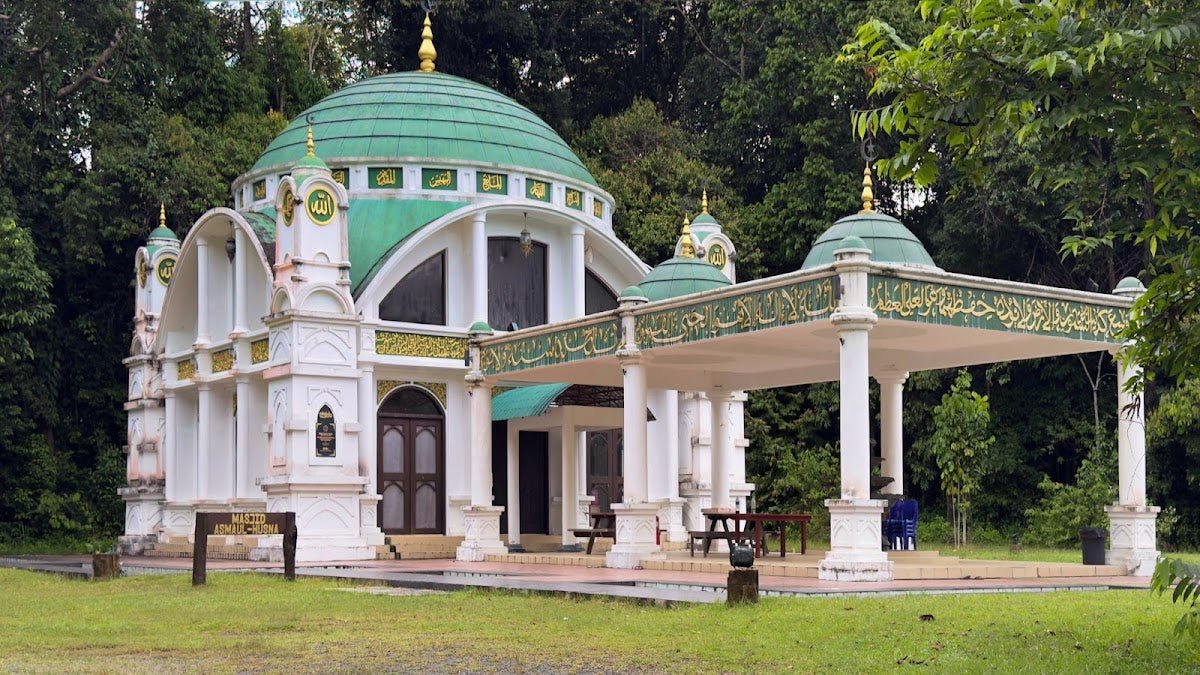
Camp 5 is a proper jungle basecamp. Think open-air wooden lodges, a shared kitchen, a small tuck shop, and a fast-flowing river right at your doorstep. It's not glamorous but it's functional. There are four rooms total, each with five thin mattresses. So total capacity is maybe 20 people in the rooms, though the camp can apparently host up to 35 or so — at that point the shared facilities do get stretched.
The setting more than makes up for the basic conditions. You're surrounded by primary rainforest, the air is clean, and the river is your bathtub, your swimming pool, and your white noise machine all in one. At night, generator electricity comes on but it's limited — no charging points, so bring a powerbank. When the generator shuts off, it's dark. Headlamp is essential.
Bugs are everywhere because, well, jungle. August apparently has a heavy bee season — they're not aggressive but they are everywhere from morning to afternoon. Bug spray is not optional here. This place is suited to adventurous campers who are comfortable with rustic conditions and don't mind getting muddy. Not for beginners looking for a gentle first camping experience. Families with young kids, think carefully before committing to the 9km trek in.

Facilities
Accommodation
Open-air rooms with thin mattresses on wooden platforms. No sheets, no doors, no windows. Pillow and mosquito net available for rent — get the mosquito net, it's not optional. Bring a sleeping bag liner or a thin blanket for the nights, it does get cool.
Kitchen
Shared kitchen, free to use. Fits about four people cooking at once. No food is provided — bring your own supplies. The camp shop only stocks instant noodles, canned food, soft drinks, and basic snacks. If you're self-organised (not on a tour), you need to carry your food in.
Toilets and Bathrooms
Separated by gender. Spacious enough. Toilet paper provided but don't flush it — Instructions are on the door. On busy nights, use the river for a rinse-off; many campers prefer it anyway.
Water
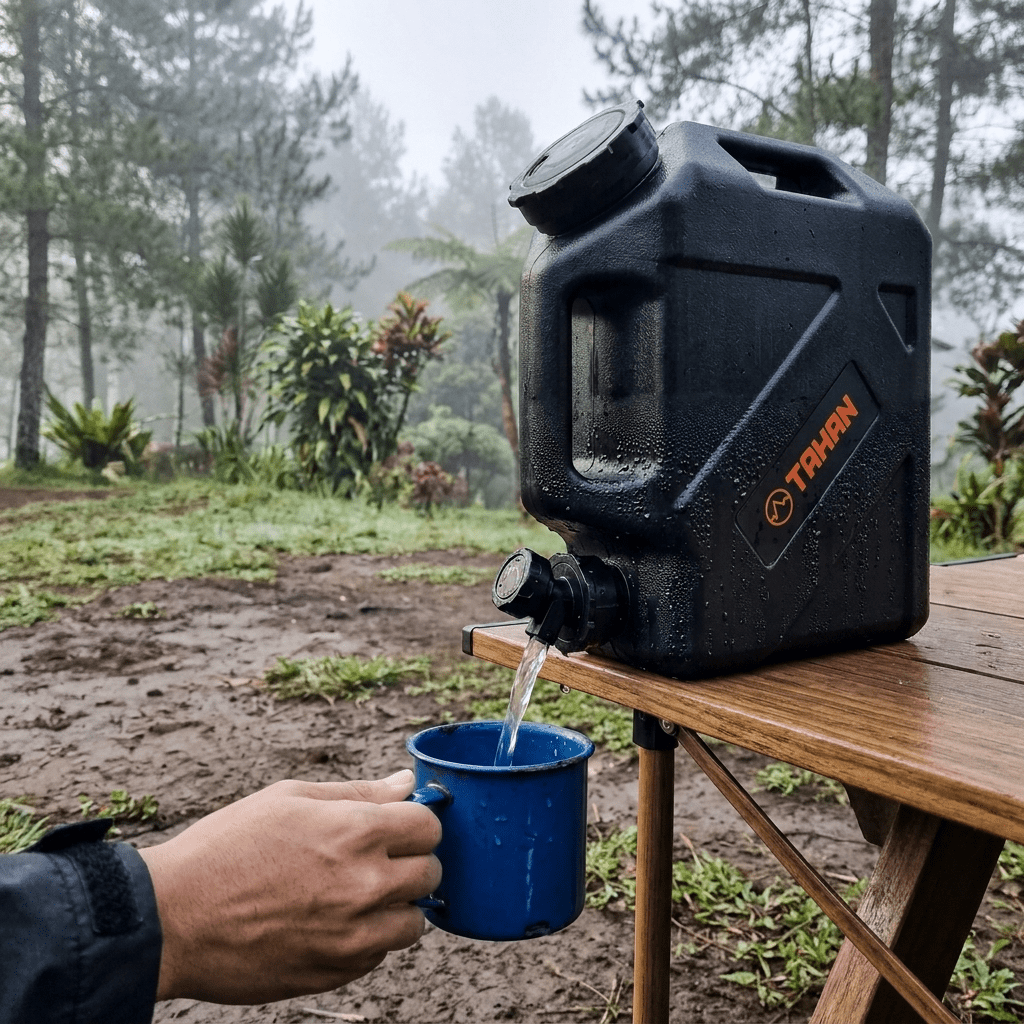
Drinking water available from labelled containers at no charge — free refills. For hot drinks, bring your own sachets or buy from the tuck shop. For bathing, most people just use the river.
Electricity
Generator comes on at night. No charging sockets reported. Bring a powerbank and a fully charged headlamp. Starlink WiFi has recently been installed — so yes, you have internet in the middle of the Mulu jungle. Wild.
River Access
Right next to camp. Fast-flowing but shallow — more of a full-body soak than a proper swim. Go slightly upstream of the pipes near the jetty for a cleaner spot. Worth it after that 9km walk in.
Small Shop
On site. Sells soft drinks, instant noodles, canned food, basic snacks. Limited stock. Don't rely on it as your main food source.

Campsite intel, weekend spot ideas, and family camping tips — straight from campers who just got back. Ask before you book.
💬 Join the Camping CommunityFree, one click. No spam — the occasional promo at most.
What Campers Are Saying
Almost everyone who's been to Camp 5 says the same thing — the facilities are basic but the experience is unforgettable. One traveller described it as "like a mountain base camp but in the jungle" and that's honestly the most accurate description out there. The remoteness, the river, the rainforest all around you — it hits differently when you've actually walked 9km to get there.
Campers recommend bringing a sleeping bag liner or towel to place on the mattress — it keeps you comfortable in the Mulu humidity and adds a layer between you and the platform. Pack one and you're sorted.
The mosquito net rental gets a unanimous thumbs up. One reviewer literally called skipping the net "lunatic" behaviour. Can't argue with that.
August brings heavy bee activity during pollination — not dangerous, but worth knowing. They're most active morning to afternoon, so plan indoor time or visit in a different month if you prefer fewer insects.
On the positive side, people love the river, the kitchen setup, and the free drinking water. The international crowd adds to the atmosphere — it feels like a proper adventure hub. And that Starlink install? One camper was genuinely shocked to have solid WiFi this deep in the jungle. Whether you use it or not, good to know it's there.

TAHAN Tip
Bring more food than you think you need. Seriously. The walk in burns calories, The Pinnacles hike the next day burns even more, and the camp shop stocks maybe enough to keep you alive — not enough to actually fuel a hard two-day trek. Pack real meals: rice, instant porridge, energy bars, whatever you like cooking. The kitchen is free and fully functional. Use it properly.
About Mike
Campsite intel, weekend spot ideas, and family camping tips — straight from campers who just got back. Ask before you book.
💬 Join the Camping CommunityFree, one click. No spam — the occasional promo at most.
Mike has been camping across Malaysia for over 10 years — from jungle treks in Taman Negara to beach camps in Perhentian. He writes about it so you don't have to find out the hard way. Follow along on TAHAN Outdoor's blog for honest campsite reviews, every week.
You Might Also Like
- Bako National Park Campsite — Another Sarawak national park experience, with wild jungle, wildlife encounters, and that same raw Borneo energy.
- Endau Rompin National Park — If you liked the idea of a remote jungle camp that takes real effort to reach, Endau Rompin gives you that same vibe on the Peninsula.
- Lambir Hills National Park (Bukit Lambir) — also in Sarawak and worth comparing before you book.
- Kubah National Park — also in Sarawak and worth comparing before you book.
- EnChant Retreat & Glamping Telok Melano — also in Sarawak and worth comparing before you book.
- Batang Ai National Park — also in Sarawak and worth comparing before you book.
- Our camping stove buyer's guide — for campsite cooking that actually works.
- Ground sheet guide: keeping wet ground out