
Kionsom Waterfall: The Complete Waterfall Guide (2026)
If you're based in Kota Kinabalu and need a proper escape from the city heat without a full-day expedition, Kionsom Waterfall in Inanam is one of those rare spots that punches well above its weight. Seven tiers of cascading water tucked inside Ulu Kionsom Recreational Forest — all within 30 to 40 minutes of downtown KK. It's not some hidden secret either; locals have been bringing their families here for years, and for good reason.

What makes Kionsom work is the range it offers. The lower tiers are cemented, railed, and genuinely accessible — we're talking kids, grandparents, and first-time outdoor visitors all managing fine. But push higher up the trail and the whole vibe shifts: slippery root scrambles, bigger pools, quieter jungle. It suits both the lepak crowd and the adventurous types, which is not something you can say about most waterfalls around Sabah.
That said, this is still a jungle waterfall. The rocks are seriously slippery, there are no lifeguards, and the upper tiers demand respect. Come prepared and you'll have a brilliant day. Come careless and you'll regret it. Mike's job here is to make sure you're in the first group.
Quick Facts
- Location: Jalan Kionsom, 88450 Kota Kinabalu, Sabah (Inanam area, ~20km from KK city centre)
- Drive time from KK: 30–40 minutes
- Entrance fee: Discrepancy between sources — RM1.50 per person (2026 data) or RM3 Malaysian adult / RM1 child; RM10 international adult / RM5 child (June 2025 source). Verify on arrival.
- Opening hours: Two sources disagree — Mon–Fri 6am–5pm, Sat–Sun 6am–6pm (one source); OR daily 8am–5pm (another source). Either way, park closes before dark. Arrive early to be safe.
- Walk-in time to lower tiers: Just a few minutes from the car park
- Tiers: 7 cascading tiers. Lower 3 accessible via cemented steps; upper tiers require light to moderate trekking
- Swimming: Yes — lower pools safe and shallow for families; upper pools better for confident adult swimmers
- Lifeguard: None. Swim at own risk.
- Camping: Appears to be day-use only. Overnight camping not confirmed — check with Sabah Forestry Department before planning to stay.
- Facilities: Clean toilets, picnic huts, shaded gazebos, food stalls at entrance
- Best months: March–October (drier season)
Getting There & Parking
From Kota Kinabalu, head to Inanam and look for the main Inanam roundabout. From there, follow signage toward Yick Nam SJK (C) School — the road takes you through a pleasant stretch of traditional kampung houses and past the Mari-Mari Cultural Village before you reach the Kiansom Waterfall Centre. The address is Jalan Kionsom, 88450 Kota Kinabalu, Sabah, and it's well enough signposted that you won't be squinting at your phone the whole way.
Parking is available right at the entrance. There may be a small parking fee, but the exact amount isn't confirmed from the sources I have — bring some small change to be safe. On weekends and public holidays, the car park fills up fast. Weekday mornings (think 9am) or weekday afternoons (around 2pm) are your best bet for a less chaotic experience.

Fees & Opening Hours
Here's where I need to be straight with you: there's a genuine discrepancy in the entrance fee data. One 2026 source puts it at RM1.50 per person flat. A June 2025 source lists RM3 for Malaysian adults, RM1 for Malaysian children, RM10 for international visitors, and RM5 for international children. Pricing may have changed, or one of those sources is simply outdated. Either way, it's cheap — just have RM10–15 cash handy per person and you'll be covered. The facility appears to be managed by local authorities under the Sabah Forestry Department.
Opening hours are similarly inconsistent across sources. One source says Mon–Fri 6am–5pm, Sat–Sun 6am–6pm. Another says daily 8am–5pm. The consistent message across both: the park closes before dark, full stop. Don't assume you can sneak in extra time. To be safe, plan to arrive by 9am and be out by 4:30pm at the latest. If in doubt, call the Sabah Forestry Department directly to confirm current hours before your trip.
The Falls & Swimming
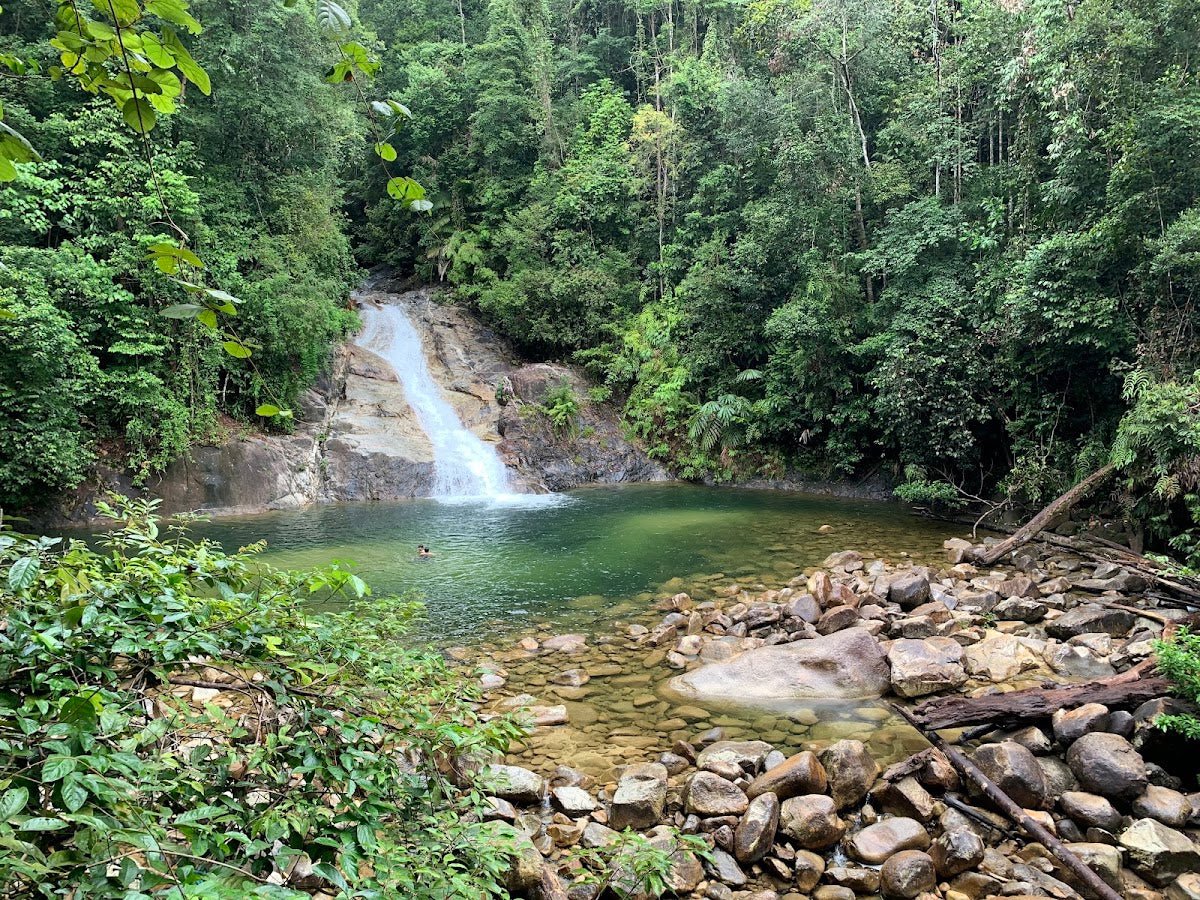
Kionsom is a seven-tiered system, and honestly, each tier has its own personality. The lower three tiers are where most visitors — easily 90% of the crowd — set up camp (figuratively speaking). The cemented walkway with handrails gets you there comfortably, and the pools at these levels are shallow, clear, and genuinely lovely for a swim with the family.

One thing to note: the third tier has been flagged as inaccessible for safety reasons — so don't be surprised if you're turned back there. Signage should make it clear on the ground, but if it doesn't, err on the side of caution.
The fourth tier is where things get real. You're scrambling up a slope with slippery rocks and exposed roots — it's doable but it demands proper footwear and a bit of fitness. Push further up the jungle trail and you'll reach the higher tiers with progressively larger pools and, crucially, far fewer people. One reviewer who made it to Air Terjun Tingkat 7 (Tier 7) described it as a short but proper adventure — the kind of thing that separates the lepak crowd from the trail crowd.

For swimming: lower pools are the family-friendly option, genuinely safe for kids and casual swimmers when water levels are normal. The upper pools are deeper and have more current — confident adult swimmers only. A local visitor noted the water gets deep quickly up there, so don't jump in if you're not sure of your swimming. Cliff jumping happens at some spots (locals do it), but it's risky and there's nobody there to help if something goes wrong.

Water clarity is best during the drier months (March–October). During monsoon season (November–February), the falls are more powerful and dramatic, but the trails turn slippery and muddy, and visibility in the water drops. Leeches also make more appearances during wet season — brown leeches have been spotted during monsoon. Mosquitoes are a year-round fixture, so plan accordingly.

Safety First
Let me be direct here because this matters. The biggest hazard at Kionsom isn't the depth of the pools — it's the rocks. The stones and pathways are seriously slippery, even on a dry day. People fall here. Sturdy, non-slip shoes (not flip-flops, not bare feet) are not optional — they're the difference between a great day and a hospital visit.
There are no lifeguards anywhere on site. Every swim is at your own risk. For the lower pools, most competent swimmers will be fine in normal conditions. For the upper tiers — deeper water, real currents, no easy exit points — only confident adult swimmers should be getting in. Cliff jumping is something you'll see locals doing, but it is genuinely dangerous, and if something goes wrong up there, help is not coming quickly.
Leeches are present during the wet season, particularly on the jungle trails heading to the upper tiers. Tuck your socks over your trouser legs, use some salt or insect repellent on your shoes, and check yourself regularly on the way up. Mosquitoes are year-round — long sleeves and repellent are worth it.
During monsoon (November–February), the trails to upper tiers become seriously muddy and slippery. If you're not experienced with wet jungle terrain, stick to the lower tiers during that period. And here's the non-negotiable rule that applies to every Malaysian waterfall, including this one:
Water levels can rise fast even when it's sunny where you stand — watch the weather upstream, and get out of the water the moment it turns murky or debris starts flowing. Or ask the TAHAN Hiking Community on WhatsApp — someone's usually been there that week.
What to Bring
- Non-slip shoes or water shoes — mandatory. The rocks at Kionsom will humble you in flip-flops.
- Change of clothes and a dry bag — you will get wet, plan for it
- Insect repellent — mosquitoes year-round, leeches in wet season
- Sunscreen — lower tiers get direct sun during peak hours
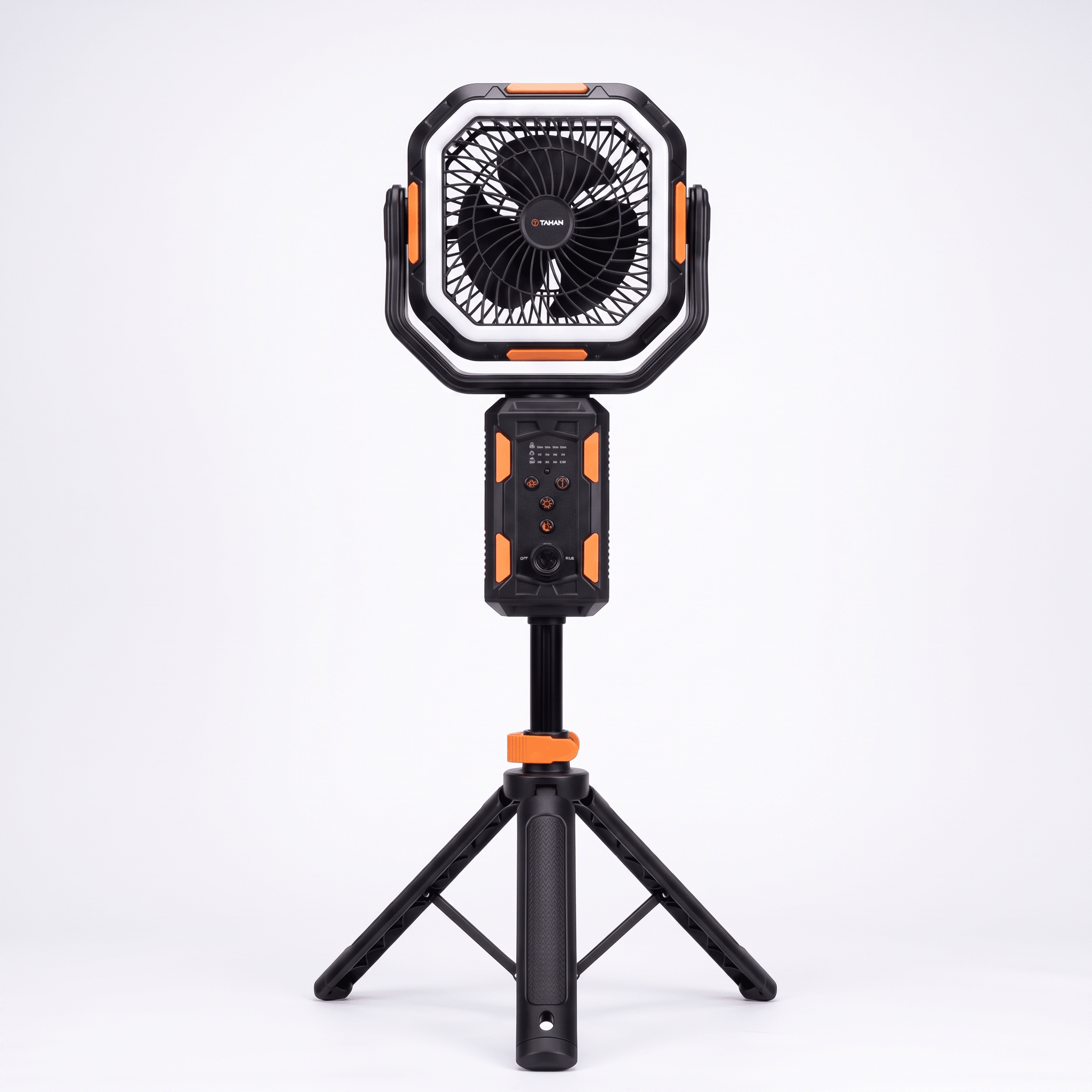
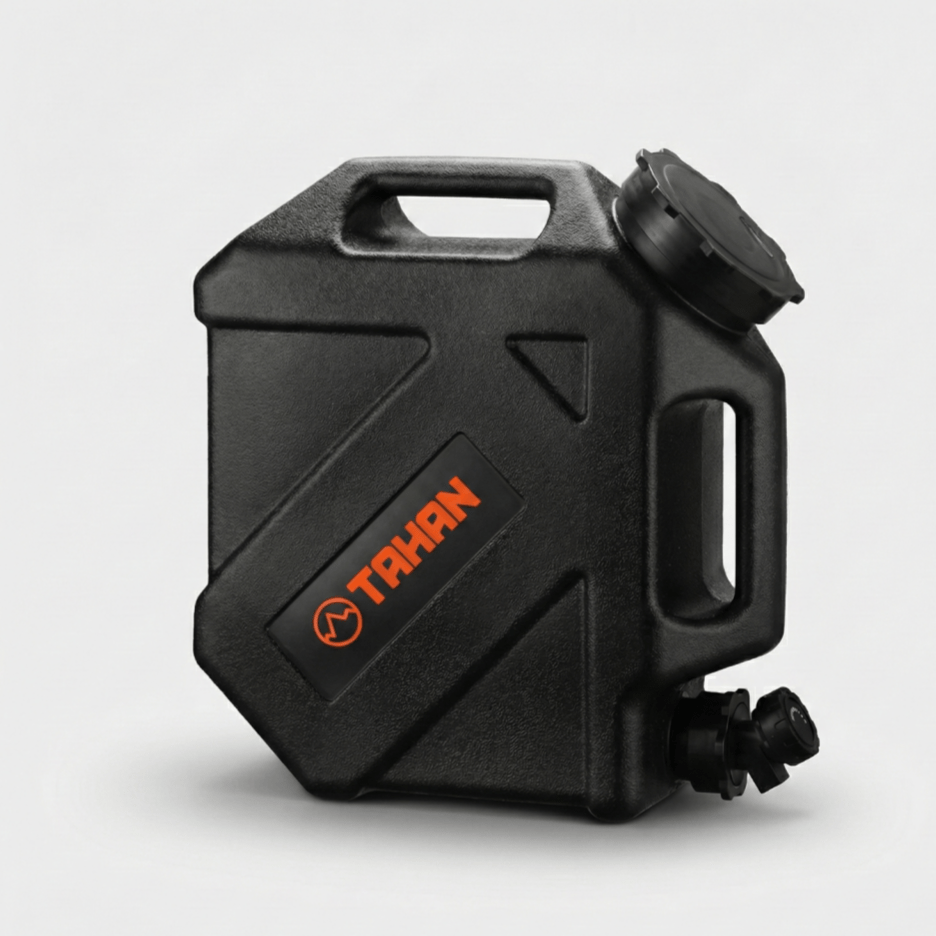
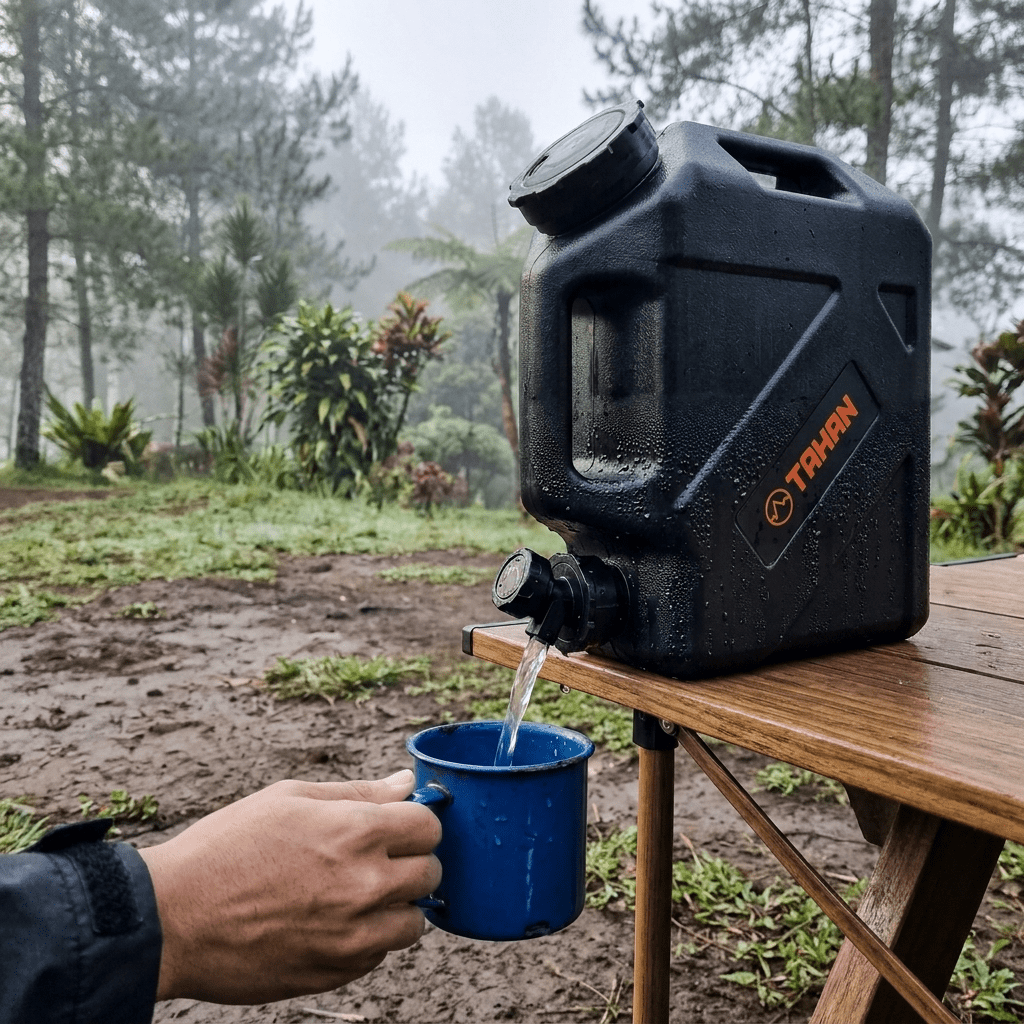
- Plenty of water — there are stalls at the entrance but once you're up the trail, you're on your own. If you're heading to the upper tiers, bring enough water for the scramble. A TAHAN 10L Water Container is ideal if you're coming with a group — fill up before you head in and share on site.
- Snacks and lunch — there are food stalls at the entrance (ABC, drinks, light food), but for a longer day exploring the upper tiers, pack your own.
- Waterproof phone pouch — you'll want photos and your phone will not survive the rocks if it falls wet
- First aid kit basics — plasters, antiseptic, especially if you're scrambling upper tiers
- Picnic gear if you're settling in at the gazebos — the shaded picnic area at the lower tiers is genuinely pleasant. If you're making a full day of it with family, a TAHAN Flexlite Highback Chair With Headrest is worth throwing in the boot — beat the plastic picnic bench situation in comfort.
Planning a bigger outdoor day? Run through our camping checklist — a lot of it applies to full-day waterfall trips too.
FAQ
Is Kionsom Waterfall open to the public?
Yes, Kionsom Waterfall is open to the public as a recreational forest under the Sabah Forestry Department. There are no confirmed closures as of this writing. That said, always check local weather and call ahead during the monsoon season (November–February) when conditions can make upper trails unsafe or prompt temporary closures.
Berapa entrance fee Kionsom Waterfall? (How much is the entrance fee?)
Good question — and honestly, sources don't fully agree. 2026 data suggests RM1.50 per person. A June 2025 source lists RM3 for Malaysian adults, RM1 for Malaysian children, RM10 for international adults, and RM5 for international children. Pricing may have been updated, so have a mix of small notes ready and confirm at the gate. Either way, it's one of the cheapest waterfall entries in Sabah.
Can you swim at Kionsom Waterfall?
Yes, swimming is allowed, and the lower pools are genuinely suitable for families and kids when water levels are normal. The water is clear and shallow in those areas. The upper tiers have deeper pools and stronger currents — those are for confident adult swimmers only. There are no lifeguards anywhere on site, so swim at your own risk and never let young children near the water unsupervised.
Is Kionsom Waterfall suitable for kids and elderly visitors?
For the lower three tiers, yes — very much so. There's a cemented walkway with handrails all the way in, it's a short walk from the car park, and the pools are shallow enough for small children to enjoy safely. The picnic facilities and food stalls make it a comfortable family outing. The upper tiers are a different story: slippery scrambles over roots and rocks that require fitness and proper footwear. Kids and elderly visitors are best kept to the lower tiers.
Camp Nearby?
Kionsom is a day-use site, so if you're looking to make a proper overnight trip out of your Sabah adventure, there are some solid options in the region worth checking out. Read the reviews for Tungog Rainforest Eco Camp, Sabah for a full jungle immersion experience. Over in Kota Belud, Dingin Batu Campsite, Kota Belud is worth a look if you want something more rustic, or Nulinau Glamping Garden, Kota Belud if you want the nature experience with a bit more comfort.
Trail conditions, permit updates, and hiking buddies for the weekend — all in one WhatsApp group. Just ask; someone was probably up there last week.
💬 Join the Hiking CommunityFree, one click. No spam — the occasional promo at most.
Mike has been camping across Malaysia for over 10 years — from jungle treks in Taman Negara to beach camps in Perhentian. He writes about it so you don't have to find out the hard way. Follow along on TAHAN Outdoor's blog for honest campsite reviews, every week.