

Kenyir Lake — Malaysia's Biggest Man-Made Lake Is Also Its Most Underrated Camp Spot
The Vibe
260,000 hectares. Let that sink in. Kenyir Lake isn't just big — it's absurdly, almost offensively big. Malaysia's largest man-made lake was created when the Kenyir Dam flooded a massive stretch of Terengganu rainforest back in 1985, and what you're left with is over 340 former hilltops now sticking out of the water like islands. The old trees are still down there, submerged, roots and all. It's eerie and beautiful at the same time.
The main way most people experience Kenyir is by houseboat — you rent one, cruise out onto the lake, and sleep on the water surrounded by jungle-covered limestone formations and absolute silence. There are also resorts along the shore, and if you're the kayaking or camping type, there are spots to set up along the lake edges or near the caves and waterfalls that feed into it. Either way, this isn't your standard riverside campsite situation. Kenyir is a full experience — caves, waterfalls, hornbills, night skies with zero light pollution. It hits different.
The crowd here tends to be people who've already done Cherating, already done the usual stuff, and want something with more substance. Families come for the houseboat weekends. Solo adventurers come for the kayaking. Everyone leaves a bit quieter than when they arrived. That kind of place lah.

Getting There
Kenyir Lake is in Terengganu, about 55km west of Kuala Terengganu town. Most people head to Pengkalan Gawi, which is the main jetty and entry point into the lake. From KL, you're looking at roughly 5–6 hours depending on your route. Most people go via Karak Highway → Temerloh → Kuantan → Kemaman → Kuala Terengganu, then cut inland toward Kenyir.
If you're coming from the east coast side, head toward Kuala Terengganu first, then follow signs to Tasik Kenyir or Pengkalan Gawi. The roads are paved and fine right up to the jetty — no 4WD needed to get there. Once you're at Pengkalan Gawi, everything from that point onwards is by boat. That's just the nature of the place. Park at the jetty, sort your houseboat or boat rental, and go.

What to Expect
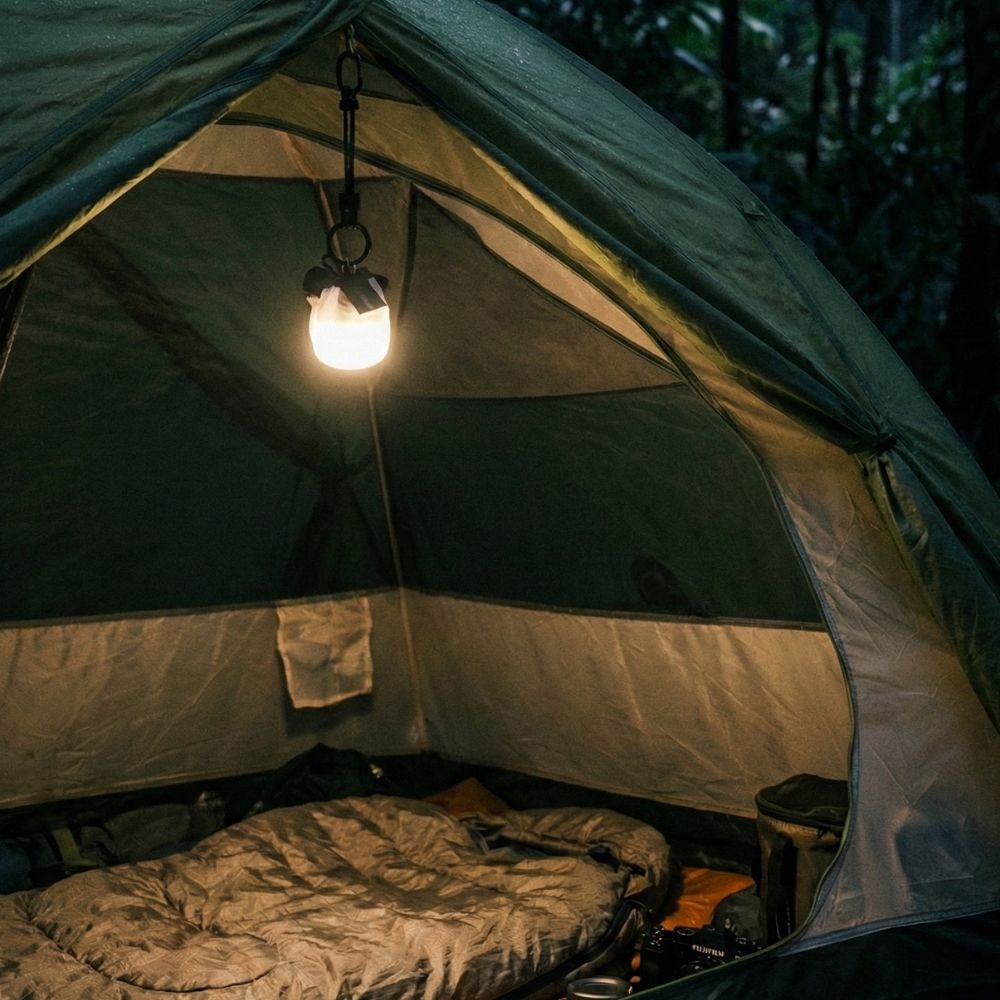
Kenyir doesn't work like most campsites. You're not pitching a tent in a field next to a longkang. The lake is the campsite. Whether you sleep on a houseboat, hammock up on one of the lake islands, or set up near one of the waterfalls — the whole experience revolves around the water. Calm, dark, glass-still water in the mornings. That's the image. You wake up and it's mist on the surface and jungle walls on every side.
There are over 14 waterfalls accessible from the lake — Lasir, Lawit, Tembat, among others. Bewah Cave is one of the standout stops, and multiple people mention it specifically. The cave is dramatic — stone formations, bats, that deep damp smell — and the kayak ride there through narrow passages is the kind of thing you remember. Hornbills are apparently a common sighting near the rock faces. Wildlife here is real, not park-managed-real.
This place suits campers who are comfortable organising their own adventure — you need to arrange boat transport, plan your route on the lake, and be okay with being far from the nearest mamak. Beginners are fine if they come with a group that knows what they're doing, or if they stick to the houseboat option. For solo kayakers or people wanting a proper backcountry vibe, Kenyir delivers hard.

Facilities
Houseboat Accommodation
The most popular way to stay overnight. You rent the whole boat — comes with sleeping space, basic kitchen, sometimes a toilet. Groups of 8–15 people is the usual arrangement. Book in advance, especially for weekends and school holidays.
Jetty Access
Pengkalan Gawi jetty is the main hub. Boat rentals, tour operators, and guides operate from here. This is where you sort everything before heading out onto the lake.
Parking
Available at Pengkalan Gawi. Leave your car here while you're out on the lake. It fills up during peak seasons so go early.
Guided Tours
There are locals at the jetty who offer boat rides and tours — reviewers say some of them are genuinely good guides once you get past the initial sales pitch. Don't dismiss them outright.

What Campers Are Saying
One kayaker who went in expecting a casual paddle came out describing it as