
Hiking and Camping: How to Combine Both Outdoor Adventures
Combining hiking and camping lets you fully immerse yourself in nature while getting a solid workout at the same time. Spending days wandering forest trails under open skies before retiring to a campsite under the stars — that's the kind of trip that sticks with you. With some decent planning and the right gear, pulling off an epic hike-to-campsite adventure is very doable.
#1 Planning Your Hiking and Camping Adventure
Choosing the right trail that allows camping is the first big step. Look for trails with established campgrounds or those that permit dispersed camping. Keep these in mind when planning:
- Camping Regulations: Many trails in Malaysia prohibit camping outside designated sites, and some require advance permits. Do your homework before you go — check with the local forestry department or park authority for current rules.
- Distance and Difficulty: Pick a hiking distance and terrain that honestly matches your group's fitness and experience. Add up the mileage between your planned campsites to make sure each day's hike is manageable.
- Campsite Placement: Use trail maps to identify campsites that break your daily hiking into reasonable segments — not too short, not so long you arrive destroyed.
A solid plan that fits your group's pace means you actually enjoy both the hiking and the camping, not just survive them.
If you're still figuring out where to go, our Selangor Hiking Permits & Trails guide is a good starting point for local trails that allow overnight stays.
#2 Packing Tips for Hiking & Camping
Combining hiking and camping means you're carrying gear for both activities on your back — so every item needs to earn its place. Pack smart and focus on these essentials:
- Hiking Clothes and Footwear: Choose lightweight, quick-drying clothing and moisture-wicking socks. Break in your hiking boots or trail shoes well before the trip — blisters on day one are no fun.
A good hiking stick makes a huge difference on uneven terrain, especially on descents. The TAHAN 3-Section Foldable Hiking Stick V2 (RM99) packs down small and handles Malaysian jungle trails well. If you want something even more stable, the TAHAN Freestand Hiking TriStick (RM169) stands on its own — handy when you need both hands free at camp.


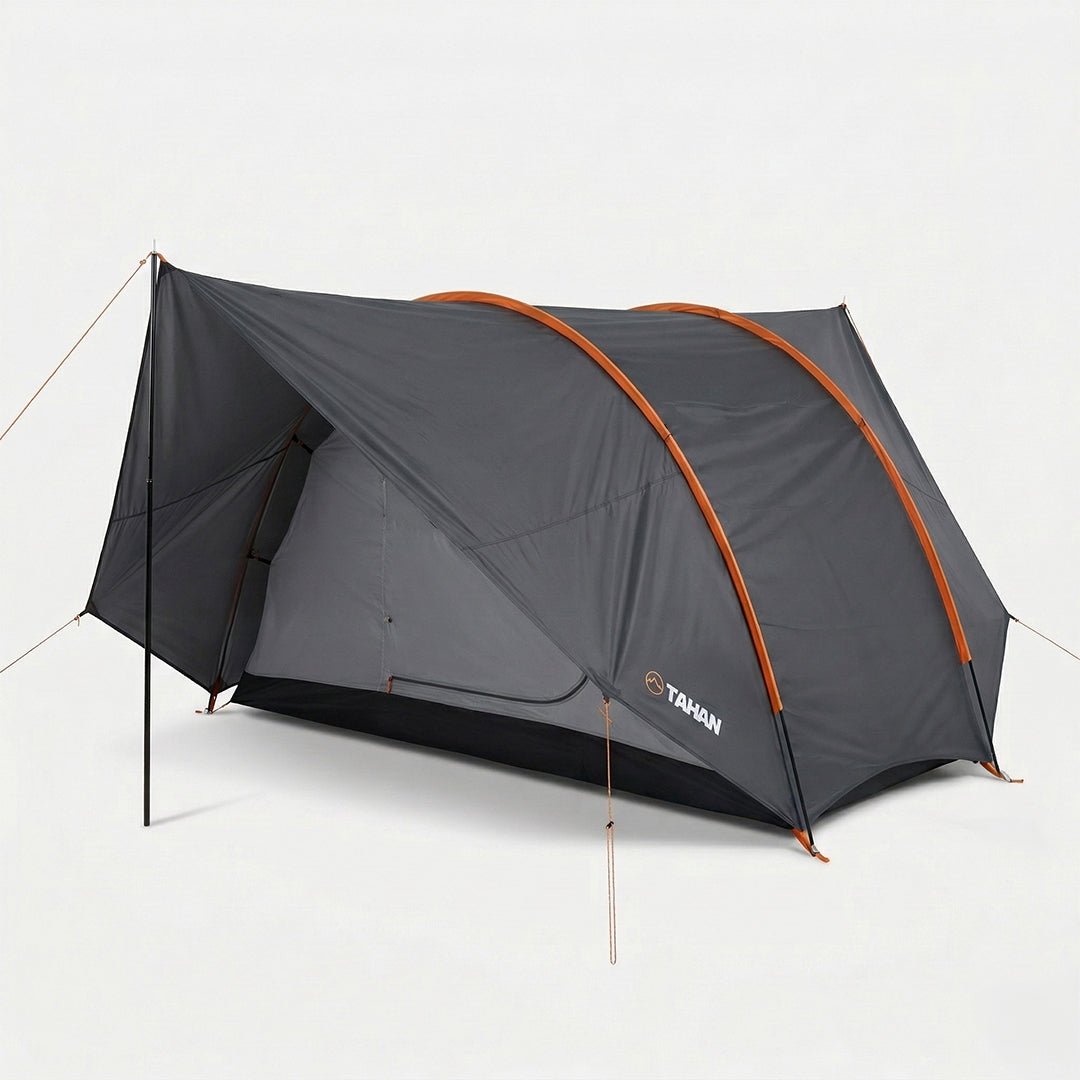
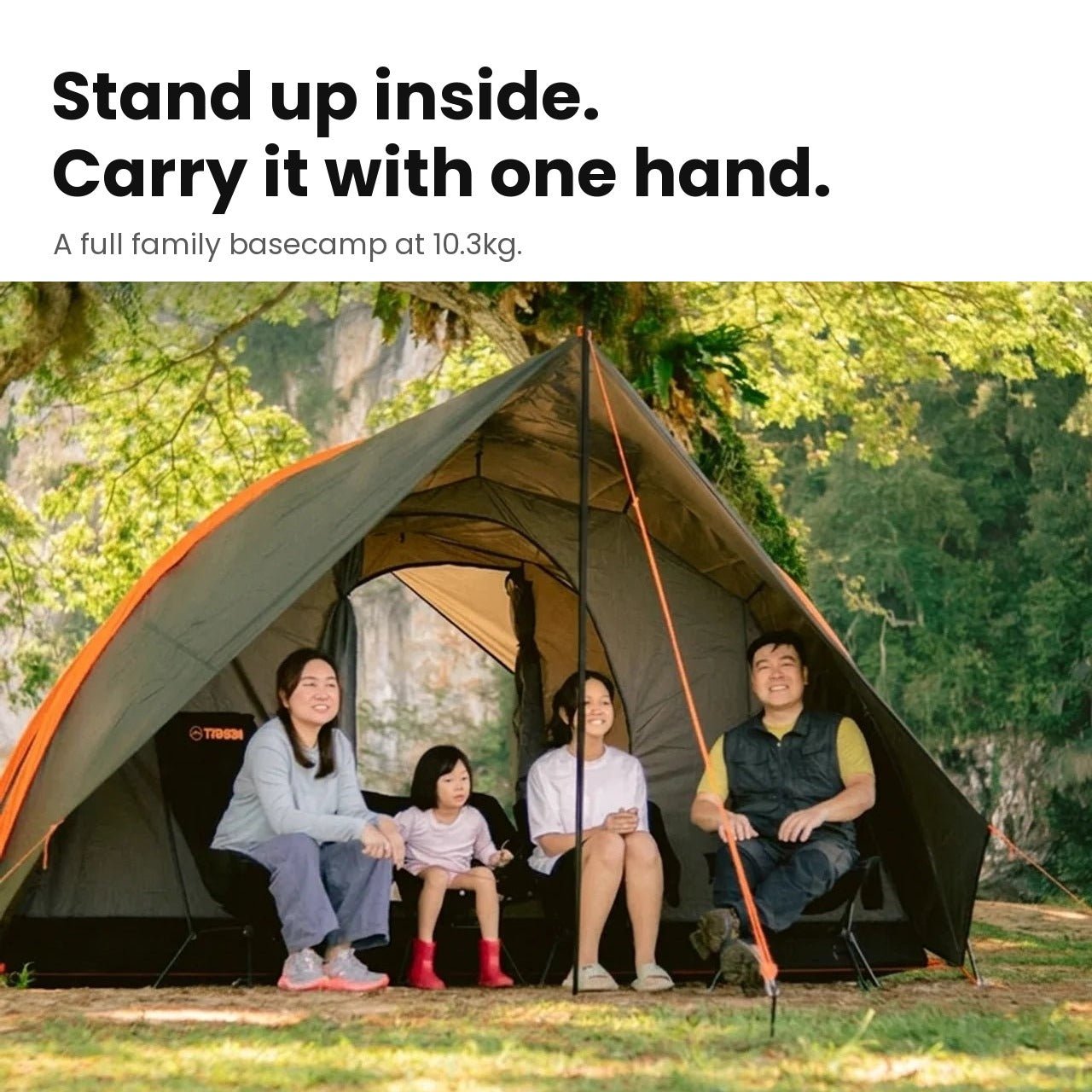
- Camping Gear: Pack a lightweight backpacking tent, sleeping bag, and sleeping pad. Every gram counts when you're carrying it 10km into the jungle.


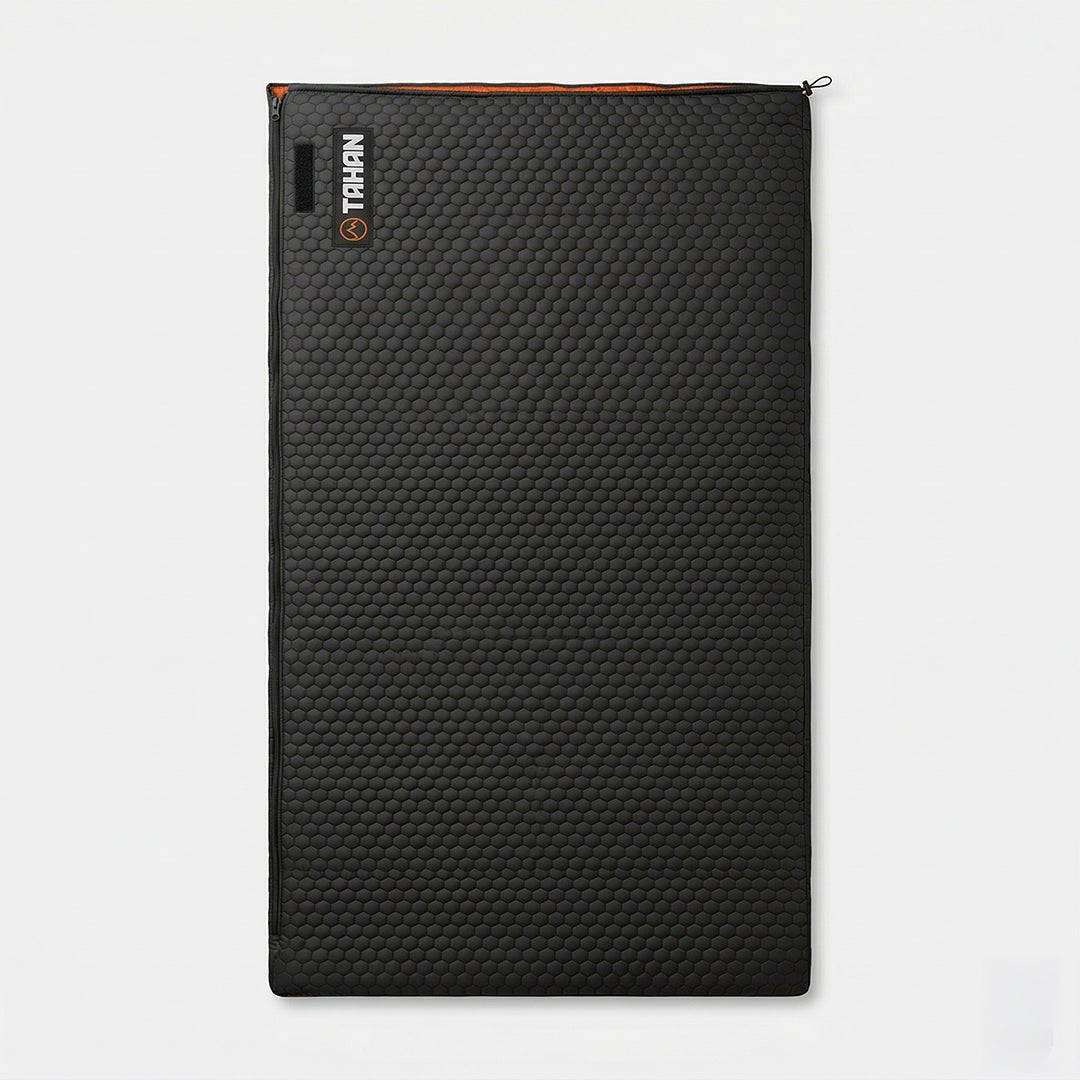
For sleep comfort without the bulk, the TAHAN Panthera Inflatable Sleeping Pad (RM159) rolls up tight and gives you proper insulation from the ground. Pair it with the TAHAN HexLink Sleeping Bag (RM99) for a solid, packable sleep system that won't break the bank.
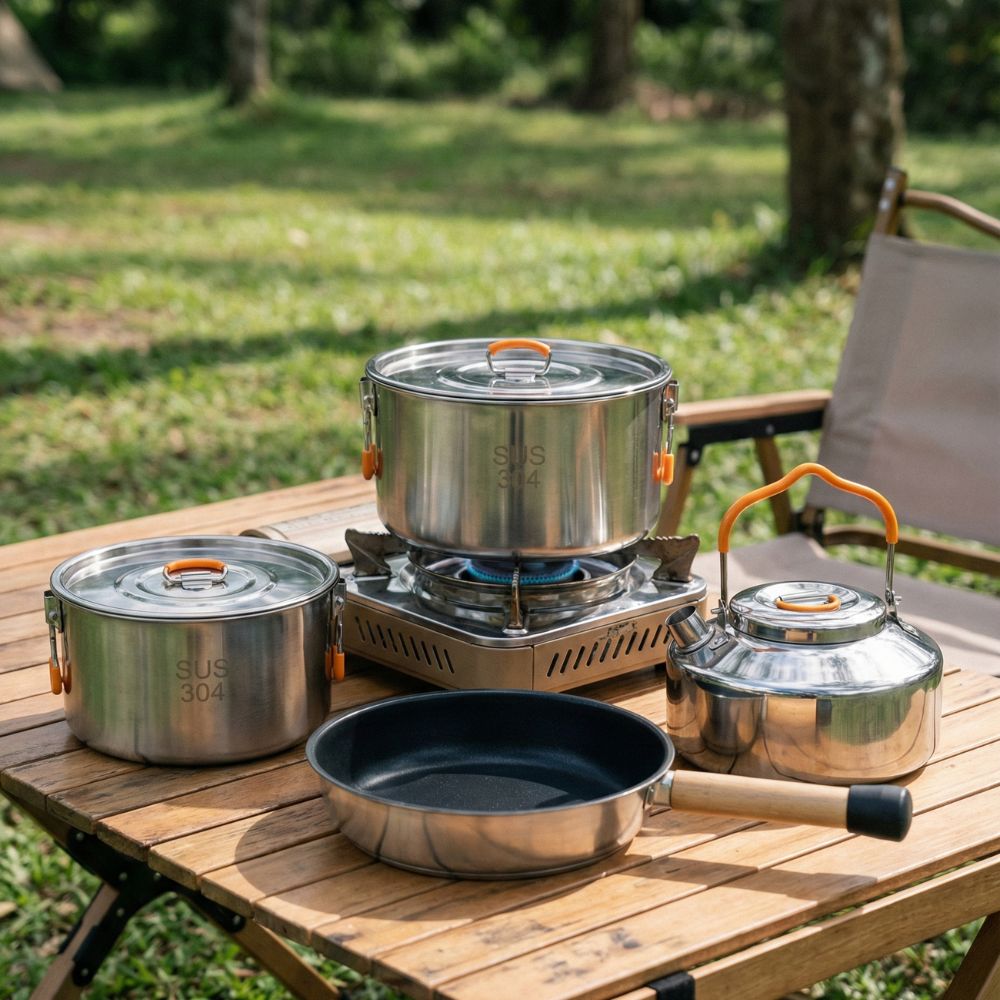
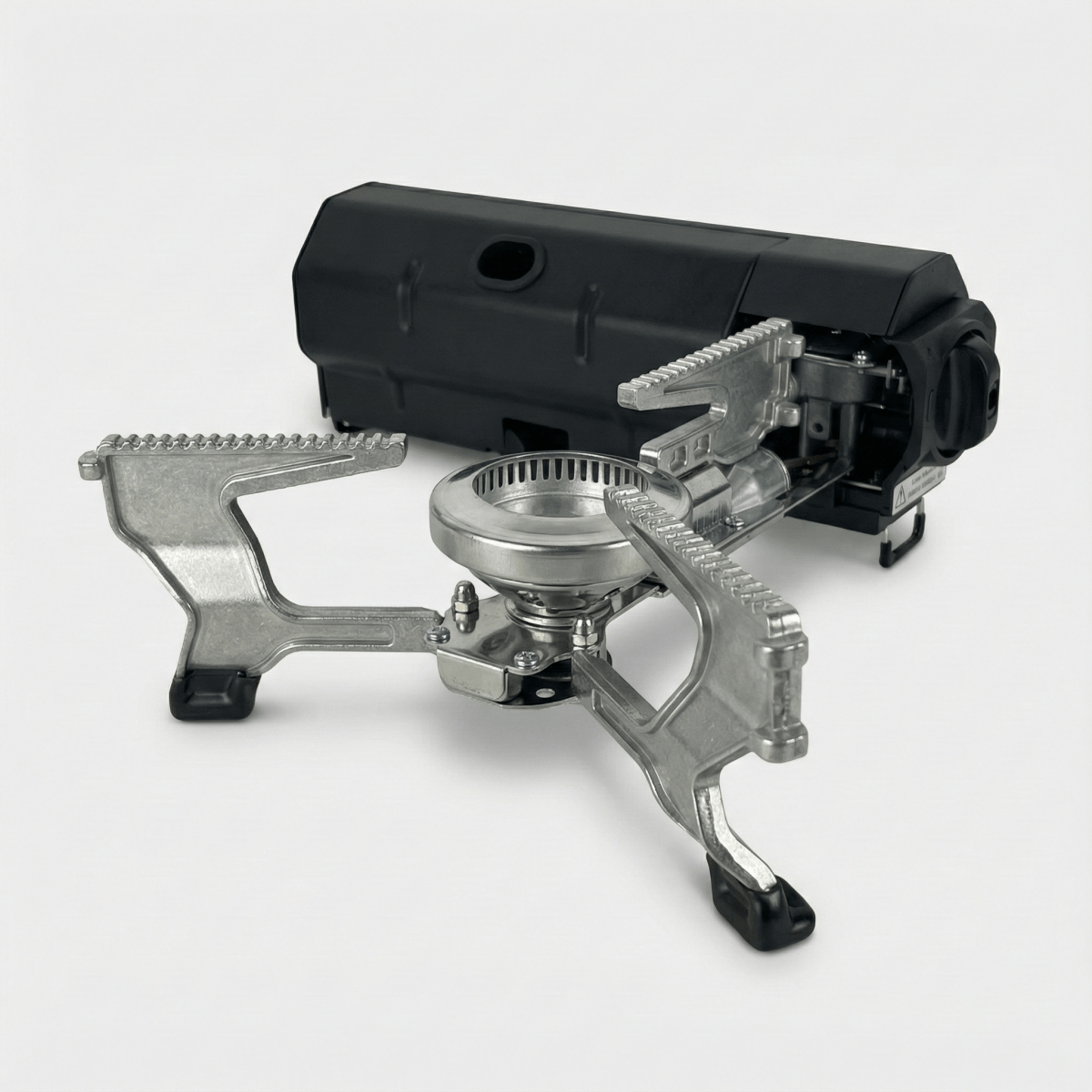
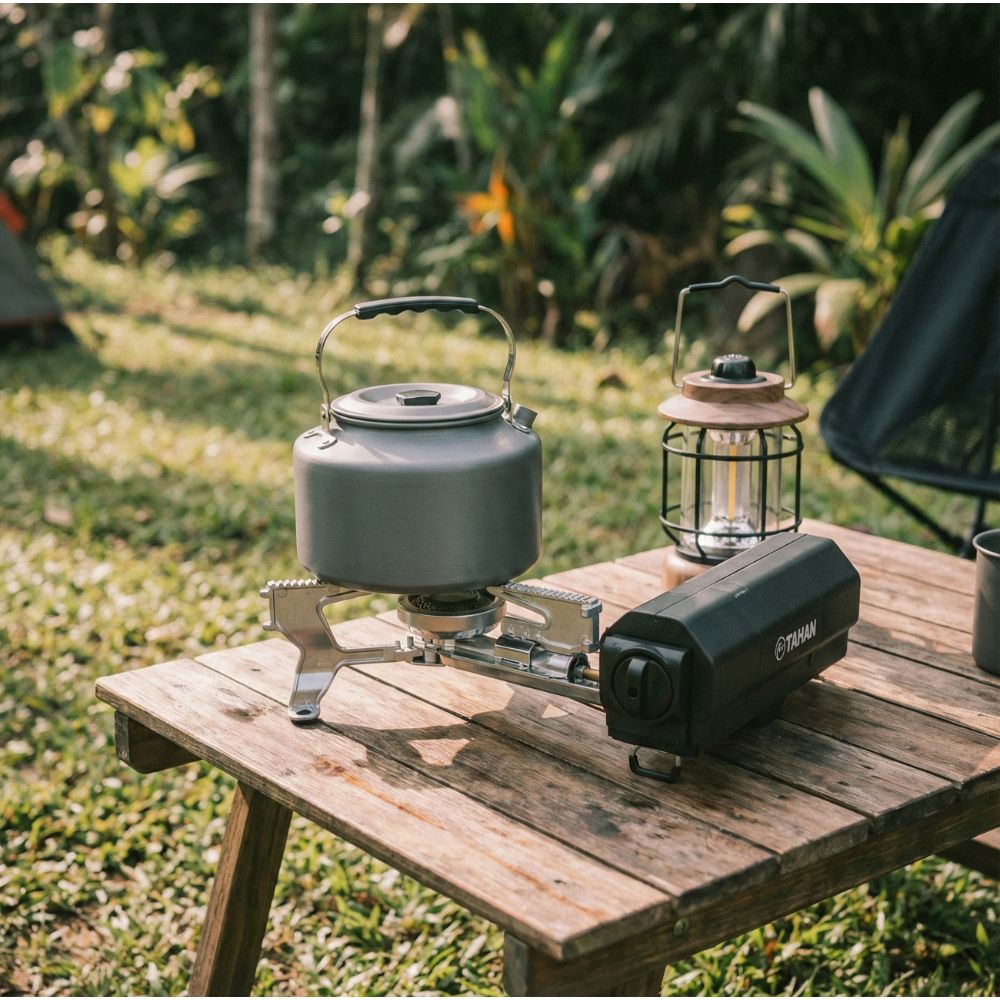
- Camp Kitchen Supplies: Bring a portable camp stove, cookset, utensils, and a cup. Keep it minimal — one pot can do a lot.
- Food: Pack lightweight, high-protein snacks and meals. Nutrition bars, trail mix, instant oats, dehydrated meals, and peanut butter are trail staples. Consider no-cook options to save stove fuel.
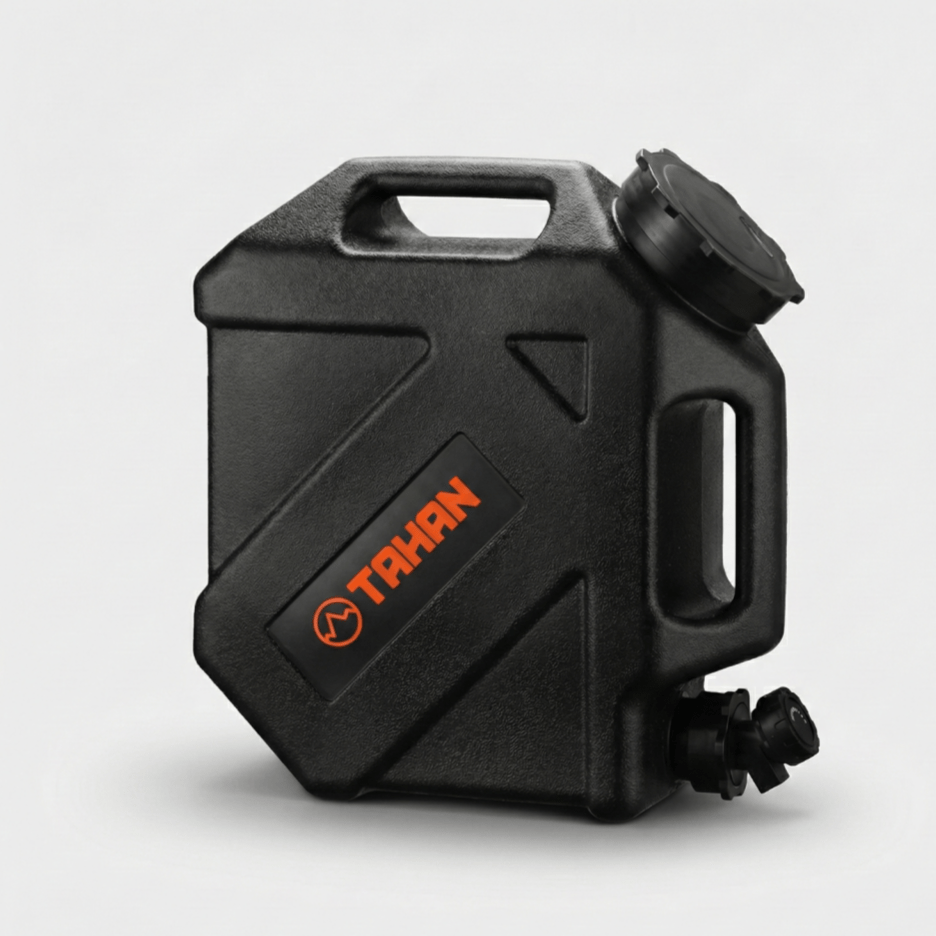
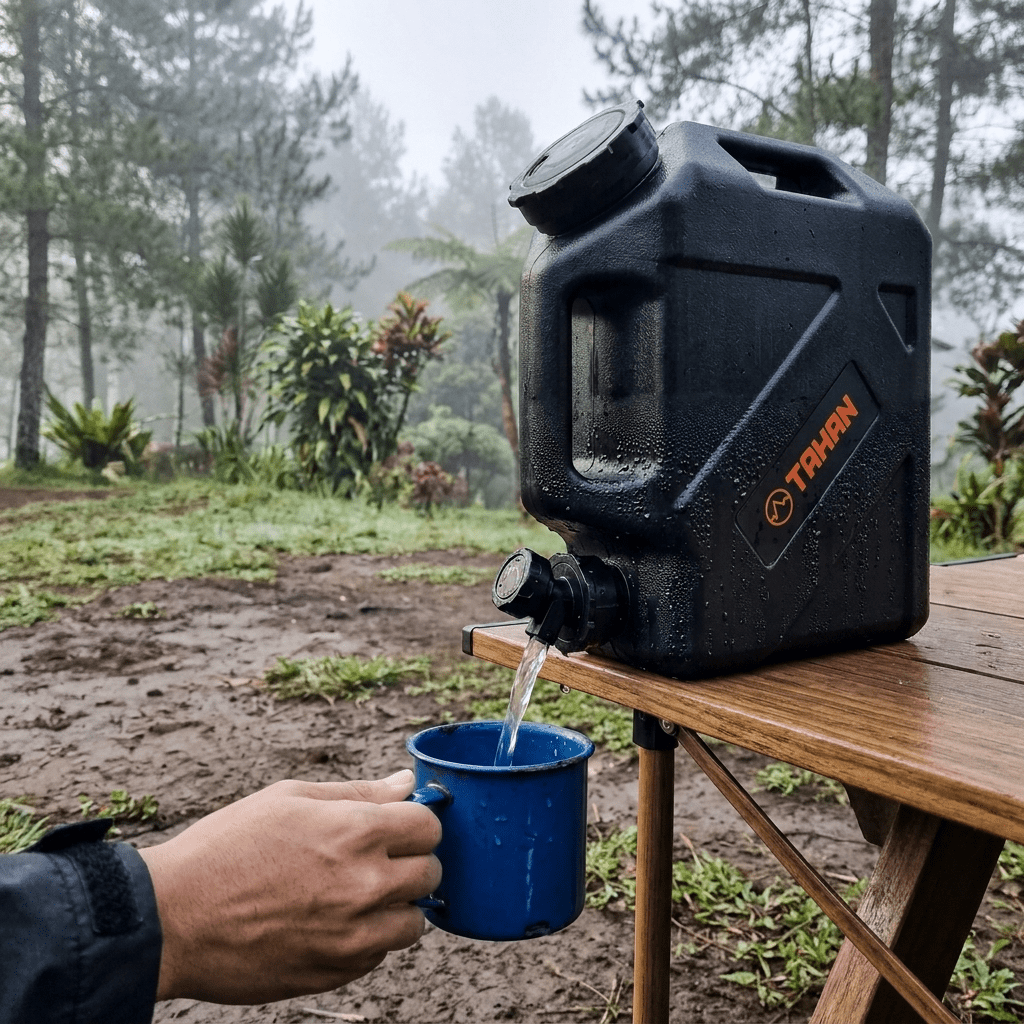
- Water Treatment: Bring a filtration system or purification tablets if water sources along the trail are uncertain. Don't rely on finding clean water without a backup plan.
- Safety Items: First aid kit, whistle, trail maps, insect repellent, and sun protection are non-negotiables. A multifunction tool is also worth the small weight penalty.
Packing the right combination of hiking and camping gear keeps your pack light and your mind on the adventure rather than your aching shoulders.
#3 Setting Up a Campsite for Comfort and Safety
Where you pitch your tent has a big impact on how well you sleep and how safe you are. Follow these tips when picking your spot:
-
Arrive Early: Get to your planned camp area with daylight to spare. Scout for:
- Level, slightly elevated ground that drains well if rain hits
- Natural windbreaks from trees or boulders
- Areas away from dead trees, thick brush, and animal nests
- Set Up Your Tent: Face the entrance away from prevailing winds. Use rocks or proper stakes to secure your rain fly lines — Malaysian weather can turn fast.
- Leave No Trace: Use existing fire rings and disturbed areas where possible. Carry out all trash and food waste. Bury human waste at least 60m from water sources.
A bit of extra effort choosing your campsite makes a massive difference to your night's sleep and to the environment you're leaving behind.
#4 Starting a Campfire Safely and Responsibly
A campfire adds real warmth and atmosphere to any camping trip. Done right, it's one of the best parts. Done carelessly, it's a disaster. Keep these in mind:
- Check Regulations: Many areas in Malaysia have restrictions or outright bans on open fires, especially during dry spells. Always check current rules before you build one.
- Choose Your Site Wisely: Use an existing fire ring where available. If building new, create a low-impact ring using rocks already in the area.
- Clear the Surrounding Area: Remove all flammable material — dry leaves, twigs, grass — at least 1 metre around the fire pit.
- Have Fire Safety Gear Ready: Keep water or sand close by to douse the flames quickly. Never leave a fire unattended.
- Burn Responsibly: Never burn plastics, foil, or anything that produces toxic fumes. Pack out any food waste rather than throwing it in the fire.
Extinguish your fire completely before sleeping or leaving camp — pour water, stir the ashes, pour again until cold to the touch.
#5 Enjoying Your Days on the Trail
Hiking to a remote campsite is one of the best ways to properly unplug. Here's how to make the most of time on the trail:
- Navigate Well: Brush up on map reading and compass skills before you head out. Download offline maps on your phone as a backup — don't rely on mobile data in the jungle.
- Take Regular Breaks: Stop to rest, snack, and hydrate roughly every 2 hours. This helps prevent fatigue and reduces injury risk significantly.
- Respect Wildlife: Observe animals from a safe distance. Never feed or approach them — this applies especially to monkeys, which are opportunistic and bold in Malaysian forests.
- Follow Trail Courtesy: On narrow trails, hikers going uphill have right of way. Announce your presence politely when passing others.
- Leave No Trace: Stay on marked trails to protect fragile vegetation. Pack out everything you packed in.
Treating the wilderness and your fellow hikers with respect keeps these trails open and enjoyable for everyone after you.
#6 Staying Safe While Hiking and Camping
The backcountry element of hiking to a campsite is part of what makes it exciting — but it comes with real safety considerations that you shouldn't brush off:
- Check Conditions: Research trail conditions, weather forecasts, and any active wildlife alerts before you leave. Malaysian weather especially can shift quickly.
- Carry Emergency Signalling: Bring a whistle at minimum. A satellite communicator or GPS tracker is worth considering for remote routes where phone coverage is zero.
- Always Inform Someone: Leave your full itinerary — trail, campsites, expected return — with someone you trust. Check in when you're out.
- Know Basic First Aid: Be able to treat blisters, sprains, cuts, and signs of heat exhaustion. These are the most common issues on Malaysian trails.
- Watch Your Group: Keep an eye out for signs of heatstroke, dehydration, or exhaustion in your teammates. In our climate, heat is the biggest risk, not cold.
Staying alert and prepared lets you actually relax and enjoy the scenery instead of managing avoidable emergencies.
Conclusion
Combining hiking and camping is one of the most rewarding ways to spend time outdoors in Malaysia. You push your body, clear your head, and end up in places most people will never see. With good planning, responsible practices, and the right gear for the conditions, these trips create the kind of memories that keep you coming back for more.
FAQs about Camping and Hiking
How do I choose a hiking trail that allows camping?
Look for trails with established campgrounds or designated dispersed camping zones. Always check current regulations — some trails require permits or advance bookings, especially in gazetted forest reserves.
What navigation tools should I use on wilderness hiking trails?
Bring a topographic map and compass as your primary tools, and know how to use them. A GPS device or an offline maps app (like Gaia GPS or Maps.me) gives you a solid backup. Don't depend solely on your phone signal.
What food should I pack for hiking and camping?
Focus on lightweight, high-energy foods that don't need refrigeration. Good options include nutrition bars, trail mix, dehydrated meals, peanut butter sachets, instant oats, dried fruit, and jerky.
How far apart should hikers be on steep mountain trails?
On steep, narrow sections keep at least 15–30 metres between hikers. This gives safe reaction space if someone slips or dislodges loose rocks. More space is better on gravel or loose scree.
Is hypothermia a risk on Malaysian camping trips?
At sea-level campsites, not really — but if you're camping at altitude (Cameron Highlands, Gunung Tahan, etc.) temperatures can drop significantly, especially with rain and wind. Always pack an insulating layer and a waterproof shell even in the warmer months.
Want more practical advice before your next trip? Check out our Beginner Camping Checklist to make sure you haven't missed anything important. Happy trails!
Campsite intel, weekend spot ideas, and family camping tips — straight from campers who just got back. Ask before you book.
💬 Join the Camping CommunityFree, one click. No spam — the occasional promo at most.