
Efficient Cooking in the Wild:
Tips for Using Camping Stoves Safely
There's nothing quite like sitting around a crackling campfire at the end of a big day outdoors, roasting marshmallows while the stars come out. But campfires aren't always an option — fire restrictions, dry conditions, or campsite rules can shut that down fast.
That's where camping stoves come in. These portable cookers let you whip up a proper meal in the wild, quickly and safely. When used right, they're honestly more efficient than an open fire anyway.
That said, camping stoves do come with real safety considerations. Here's what you need to know before you fire one up in the field.
Overview of Camping Stove Safety
Camping stoves are convenient, but they deserve respect. Depending on the type, the main risks include:
- Fire — Flammable surfaces and spilled fuel can ignite accidentally
- Explosions — Pressurised fuel canisters can blow if overheated
- Carbon monoxide poisoning — A real danger if you use a stove in an enclosed or poorly ventilated space
None of these are reasons to avoid stoves — they're reasons to use them properly. Follow the right precautions and your outdoor cooking setup will be efficient, safe, and genuinely enjoyable.
1. Choosing a Quality Camping Stove
Start with a stove that actually suits your needs. Models vary a lot, but a good camping stove should have:
- The right fuel type for where you're going (butane/propane canisters are most common in Malaysia)
- Enough BTU output to boil water fast and simmer dishes without wasting fuel
- A practical, easy-to-use design with solid safety features
- Good reviews from people who've actually used it outdoors
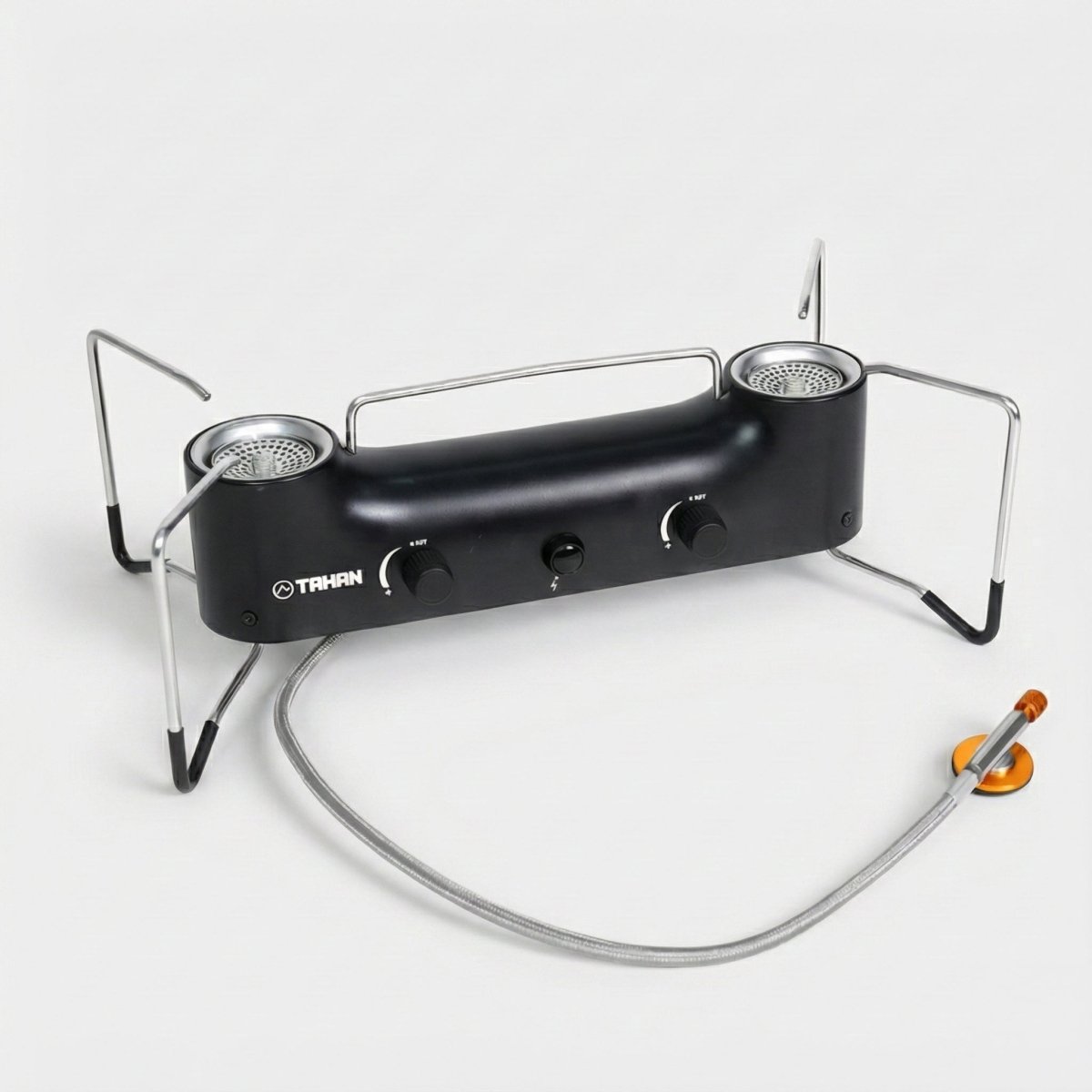
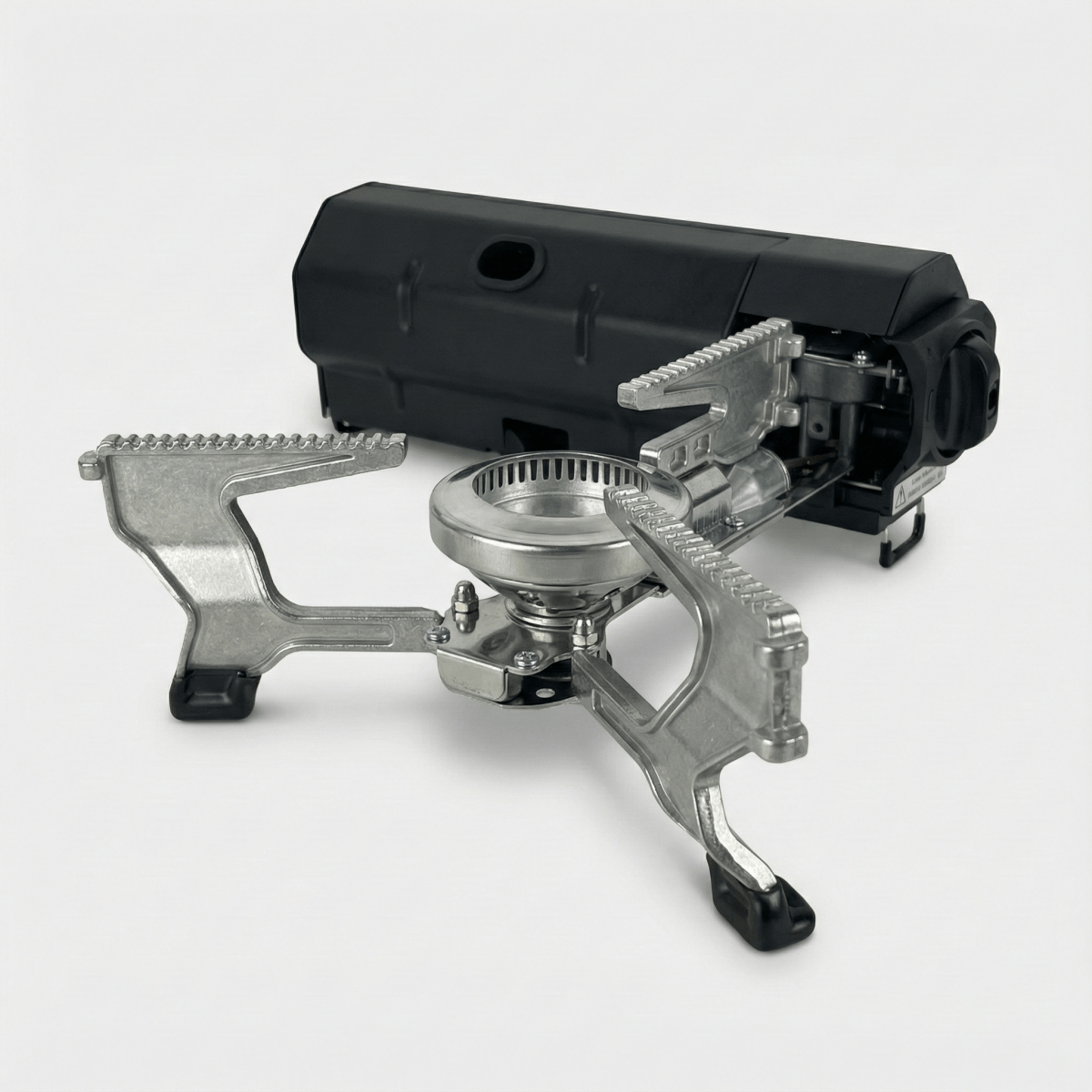
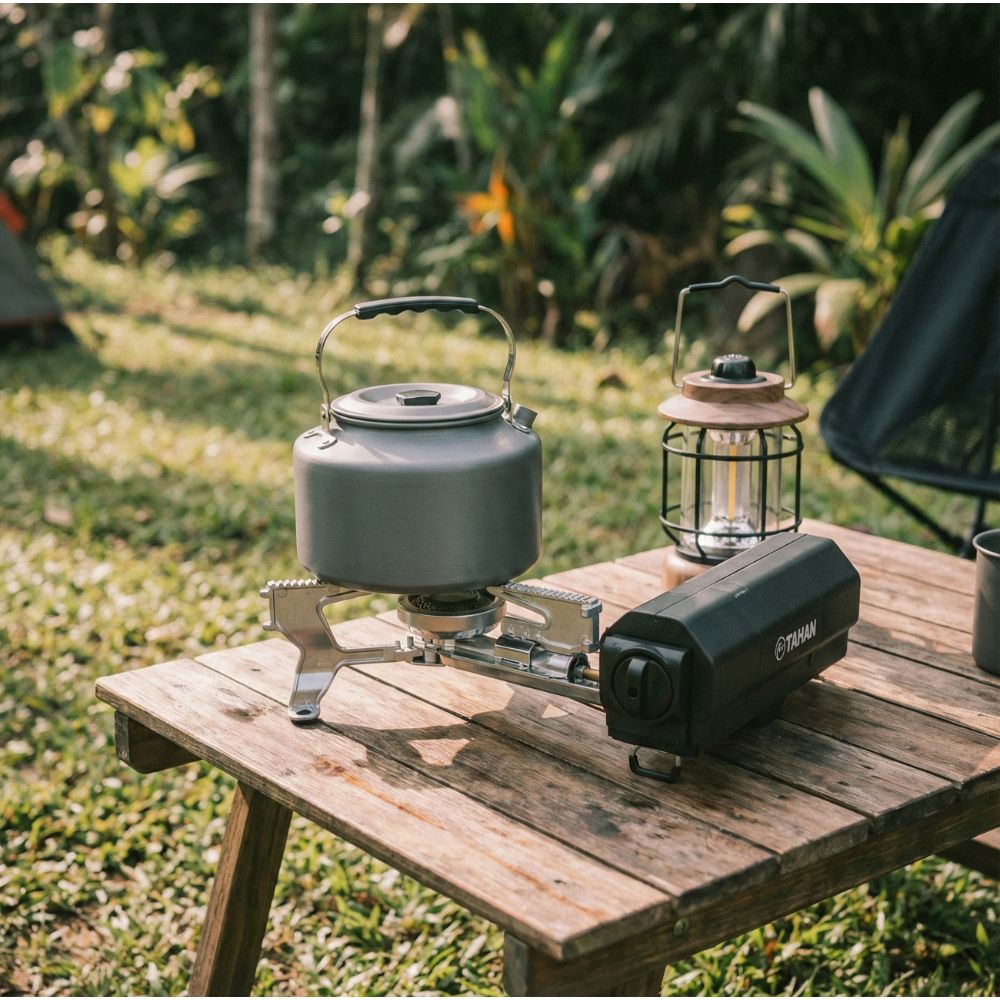
If you're looking for a reliable option, the TAHAN EasyFold Camping Stove is a solid pick — compact, foldable, and straightforward to use whether you're car camping or heading further out. For those cooking for a group, the TAHAN Windmaster Double Burner Camping Stove gives you two burners and better wind resistance, which is genuinely useful at exposed campsites.


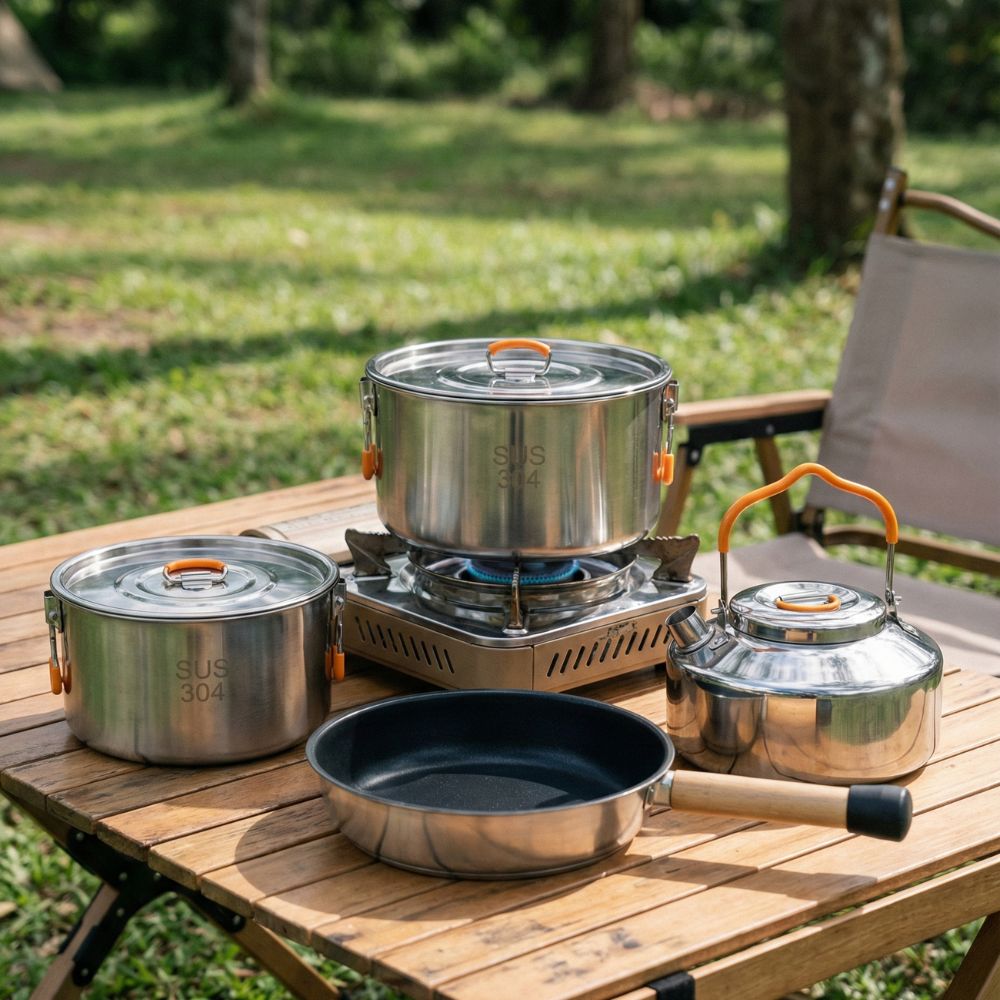
Whatever stove you go with, pair it with proper cookware. The L ProChef Stainless Steel Cookset (4 Piece) is built to handle camp stove heat without warping — good stainless steel cookware makes a real difference to how evenly your food cooks.

2. Setting Up Your Stove Properly

Once you've got the right stove, setting it up correctly is just as important as choosing it. A few things to sort before you even think about lighting up:
- Find a flat, stable, non-flammable surface — rocks or packed dirt, not dry leaves or grass
- Make sure you're in a spot with good ventilation to avoid carbon monoxide buildup
- Keep the stove well away from your tent — several metres minimum
- Follow manufacturer instructions for any windscreens or supports you're using
Speaking of windscreens — a good one makes a big difference to fuel efficiency in breezy conditions. The TAHAN 40CM Portable Folding Windshield is cheap, lightweight, and noticeably cuts down boil time when the wind's picking up.
Campsite intel, weekend spot ideas, and family camping tips — straight from campers who just got back. Ask before you book.
💬 Join the Camping CommunityFree, one click. No spam — the occasional promo at most.
3. Using Your Stove Cautiously
Even with a great stove and a solid setup, how you use it matters. Before you light anything, check:
- The stove is in good working order with no visible damage
- The fuel line is tightly secured with no leaks (do a quick sniff test)
- There are no flammable items within reach that could catch a spark
When igniting, use a manufacturer-approved lighter or igniter — not an open flame held close in. Keep your hands and face clear of the initial flare.
And the biggest rule: never leave a hot stove unattended. Stoves can tip, fuel can flare up, dry ground can catch. Stay present until you're done cooking and the stove is fully off.
4. Cooking Efficiently and Safely
Right, stove's on and it's time to cook. A few habits that'll make your camp meals both safer and better:
- Cook on low to medium heat wherever possible — saves fuel and reduces flare-up risk
- Use proper camp cookware that can handle the heat without cracking or warping
- Handle anything hot with care — burns happen fast when you're distracted outdoors
- Keep kids and pets a safe distance from the stove and hot food
Once you're done eating, extinguish the stove completely before you step away. Don't leave it running while you rinse your dishes.
5. After Cooking
Meal done, belly full — but the job isn't quite finished. Before you pack up or head to your tent:
- Fully extinguish all stove flames — double check, not just a glance
- Let the stove cool completely before you touch or pack it
- Disconnect and store fuel canisters away from heat sources and flammable gear
- Give the stove a quick wipe down to prevent grease buildup that can cause issues next time
These steps take five minutes and keep your stove in good shape for the next trip. Skip them regularly and you'll start running into problems.
6. Dealing With Emergencies
Hopefully you'll never need this section. But being prepared for the unlikely stuff is part of responsible camping. Make sure you:
- Pack a proper first aid kit and know where the nearest emergency facilities are
- Know how to operate a fire extinguisher if one's available at your campsite
- Read your stove's manual before you go — knowing how to deal with a malfunction in advance beats figuring it out in a panic
Preparation takes minutes. Panic in the field takes a lot longer to recover from. Sort it before you leave home.
Also worth bookmarking — our Beginner Camping Checklist for Malaysia covers all the gear you should be bringing on any trip, including the safety essentials.
FAQs About Camping Stove Safety
Is it safe to use a camping stove inside your tent?
No. Never use a stove inside your tent — fire risk, carbon monoxide buildup, and the lack of ventilation make it genuinely dangerous. Always cook outside in open air.
How often should you clean and maintain a camping stove?
Clean it after every use to prevent grease and residue buildup. Before each trip, do a quick check for any damage or blockages.
What kind of windscreen can be safely used with camping stoves?
Only use windscreens that are approved or recommended by your stove's manufacturer. The wrong windscreen can cause dangerous overheating of the fuel canister.
Where should fuel be stored when camping?
Away from your stove, away from your tent, out of direct sunlight, and away from any heat sources. Treat fuel canisters with the same care you'd give a gas canister at home.
How can I get emergency help while camping?
Carry a first aid kit, know your GPS coordinates or campsite name, and have the contact details for nearby emergency services saved before you go. Don't rely solely on mobile signal in remote areas.
Want more info on what to cook with your camping stove? Check out our full guide on top camping stoves in Malaysia for a breakdown of the best options out there. Happy cooking!
Campsite intel, weekend spot ideas, and family camping tips — straight from campers who just got back. Ask before you book.
💬 Join the Camping CommunityFree, one click. No spam — the occasional promo at most.